
There’s something incredibly satisfying about bringing greenery into your home. Whether it’s a small pot on a desk or a collection of thriving houseplants, an easy plant can instantly brighten a room and make a space feel more alive.
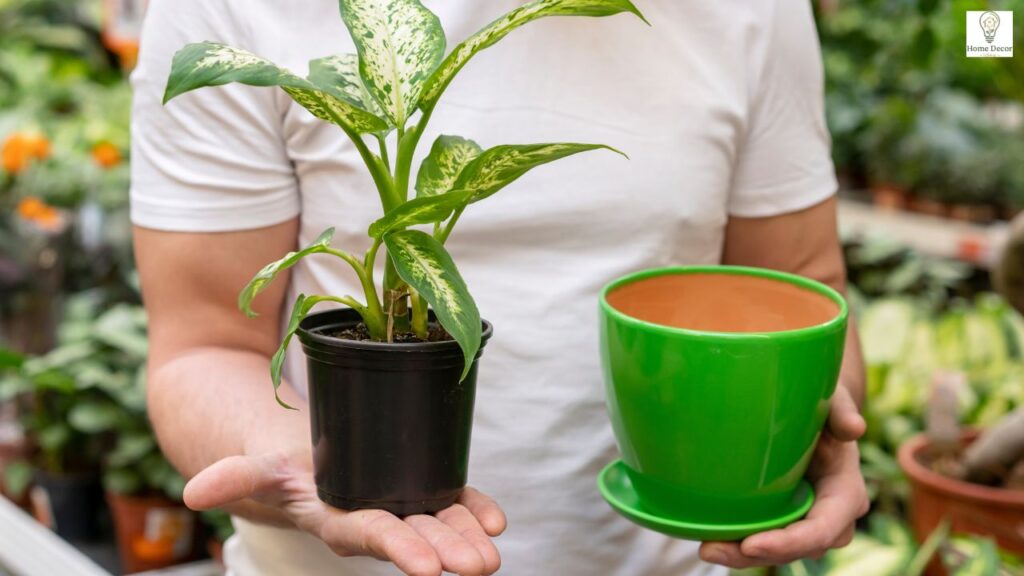
Many people assume gardening requires extensive knowledge, constant maintenance, and a natural green thumb. The truth is quite different. Choosing the right easy plant can make the experience enjoyable, rewarding, and surprisingly simple, even for complete beginners.
Plants do more than decorate a room. They can improve indoor aesthetics, create a calming environment, and encourage a stronger connection with nature. The key is understanding which plants are easiest to care for and how to provide the basics they need to thrive.
In this guide, you’ll learn how to select beginner-friendly plants, avoid common mistakes, and develop habits that help your indoor garden flourish throughout the year.
Understanding What Makes a Plant Easy to Grow
An easy plant is generally one that tolerates occasional neglect, adapts well to indoor environments, and doesn’t require highly specific growing conditions.
These plants often survive inconsistent watering schedules, moderate lighting conditions, and common beginner mistakes. Their resilience makes them ideal for first-time plant owners.
Characteristics of Beginner-Friendly Plants
Most beginner-friendly plants share several important traits:
- Low maintenance requirements
- Adaptability to different light levels
- Tolerance for irregular watering
- Resistance to common pests
- Slow to moderate growth rate
- Strong recovery ability after stress
Why Easy-Care Plants Are Popular
Modern lifestyles leave many people with limited time for plant care. Low-maintenance varieties offer the beauty of greenery without demanding constant attention.
They also provide confidence. Success with one healthy plant often inspires people to expand their collection and learn more about gardening.
Best Easy Plant Choices for Beginners
Selecting the right plant is the foundation of success. Some varieties are particularly forgiving and thrive in average indoor conditions.
Snake Plant
The snake plant is one of the most recommended options for beginners.
Benefits include:
- Tolerates low light
- Requires infrequent watering
- Handles dry indoor air
- Attractive upright growth
Even if forgotten for weeks, snake plants often remain healthy and vibrant.
Pothos
Pothos is another excellent easy plant choice.
Its trailing vines create a beautiful display while requiring minimal care. Pothos grows quickly and adapts well to different lighting conditions.
ZZ Plant
The ZZ plant has glossy leaves and exceptional durability.
It can survive:
- Low light environments
- Infrequent watering
- Dry indoor conditions
- Busy schedules
Many plant owners consider it nearly indestructible.
Spider Plant
Spider plants produce graceful arching leaves and baby offshoots.
They are:
- Easy to propagate
- Fast growing
- Adaptable to indoor environments
- Safe for many households
Light Requirements for Healthy Growth
Understanding light is one of the most important aspects of plant care.
Different plants have varying needs, but many beginner-friendly species can adapt to indirect sunlight.
Bright Indirect Light
Bright indirect light occurs when sunlight illuminates a room without directly striking the leaves.
Many popular indoor plants thrive under these conditions because direct sunlight can sometimes scorch delicate foliage.
Low-Light Conditions
Some plants naturally grow beneath forest canopies and therefore tolerate lower light levels.
Examples include:
- Snake plant
- ZZ plant
- Pothos
- Cast iron plant
Low light does not mean no light. Even the toughest plants require some illumination to survive.
Signs of Lighting Problems
Watch for these indicators:
Too much light:
- Brown leaf edges
- Faded foliage
- Leaf scorch
Too little light:
- Slow growth
- Leggy stems
- Small leaves
- Yellowing foliage
Watering Without Overwatering
Overwatering is responsible for more plant problems than underwatering.
Many beginners assume plants need constant moisture. In reality, roots need oxygen as much as they need water.
How Often Should You Water?
There is no universal schedule.
Factors affecting watering frequency include:
- Plant species
- Pot size
- Indoor temperature
- Humidity levels
- Season
Always check soil moisture before watering.
The Finger Test
Insert a finger about an inch into the soil.
If the top layer feels dry, watering may be appropriate. If the soil remains damp, wait a few more days.
Common Watering Mistakes
Avoid:
- Watering on a rigid schedule
- Leaving pots sitting in water
- Using containers without drainage holes
- Watering during periods of low growth
A successful easy plant routine focuses on observation rather than strict timing.
Choosing the Right Soil
Healthy roots begin with quality soil.
Different plants prefer different growing mediums, but most houseplants thrive in well-draining potting mixes.
Why Drainage Matters
Poor drainage can lead to:
- Root rot
- Fungal growth
- Yellow leaves
- Weak development
Well-aerated soil allows roots to breathe and absorb nutrients effectively.
Soil Additives That Improve Performance
Common amendments include:
- Perlite
- Coco coir
- Compost
- Bark chips
- Vermiculite
These materials improve structure and moisture management.
Temperature and Humidity Basics
Most indoor plants originate from tropical or subtropical regions.
As a result, they prefer relatively stable temperatures.
Ideal Temperature Range
Most houseplants perform well between:
- 65°F to 80°F (18°C to 27°C)
Avoid placing plants near:
- Heating vents
- Air conditioners
- Drafty windows
- Exterior doors
Increasing Humidity Naturally
You can raise humidity by:
- Grouping plants together
- Using pebble trays
- Running a humidifier
- Keeping plants away from drying heat sources
These strategies help an easy plant maintain healthy foliage and vigorous growth.
Fertilizing for Consistent Growth
Plants use nutrients from soil over time.
Regular fertilization helps replenish essential elements needed for healthy growth.
Key Nutrients
The primary nutrients include:
- Nitrogen (N)
- Phosphorus (P)
- Potassium (K)
Each supports different aspects of plant development.
When to Fertilize
Most indoor plants benefit from feeding during active growth periods, usually spring and summer.
Reduce fertilization during slower growth seasons.
Avoid Overfeeding
Too much fertilizer can cause:
- Burned roots
- Salt buildup
- Leaf damage
- Stunted growth
Moderation is always best.
Common Problems and Simple Solutions
Even the toughest plants occasionally encounter issues.
Yellow Leaves
Possible causes include:
- Overwatering
- Underwatering
- Poor drainage
- Aging foliage
Evaluate recent care habits before making changes.
Brown Tips
Brown leaf tips often result from:
- Low humidity
- Excess fertilizer
- Inconsistent watering
Minor adjustments can often solve the problem quickly.
Drooping Leaves
Drooping can indicate:
- Water stress
- Temperature shock
- Root problems
Checking soil moisture is usually the first troubleshooting step.
How to Repot an Easy Plant
Eventually, growing plants outgrow their containers.
Repotting provides additional space for root development.
Signs It’s Time to Repot
Look for:
- Roots emerging from drainage holes
- Slower growth
- Frequent drying of soil
- Crowded root systems
Repotting Steps
- Select a slightly larger container.
- Add fresh potting mix.
- Remove the plant carefully.
- Loosen compacted roots.
- Place in the new pot.
- Fill with soil.
- Water lightly.
Repotting helps an easy plant continue growing vigorously.
Creating a Successful Indoor Plant Routine
Consistency is more important than perfection.
A simple routine helps prevent most plant care problems.
Weekly Tasks
Consider checking:
- Soil moisture
- Leaf condition
- Pest activity
- Light exposure
These quick observations take only a few minutes.
Monthly Tasks
Monthly maintenance may include:
- Cleaning leaves
- Rotating pots
- Light fertilization
- Pruning damaged growth
Small actions often produce significant long-term benefits.
Benefits of Growing Plants Indoors
An easy plant provides much more than visual appeal.
Indoor plants can contribute to a more inviting and comfortable environment.
Improved Interior Design
Plants add:
- Texture
- Color
- Natural beauty
- Visual balance
They complement nearly every decorating style.
A More Relaxing Atmosphere
Many people enjoy the calming presence of greenery in living and working spaces.
Caring for plants can become a rewarding hobby that encourages mindfulness and patience.
Learning Through Experience
Every plant teaches valuable lessons about observation and care.
Starting with an easy plant allows beginners to build confidence while developing gardening skills.
FAQ
What is the best easy plant for complete beginners?
Snake plant is often considered the best beginner option because it tolerates low light, infrequent watering, and common care mistakes.
How often should I water an easy plant?
Watering frequency depends on the plant, environment, and season. Check soil moisture before watering rather than following a fixed schedule.
Can easy-care plants survive in low light?
Many varieties, including ZZ plants and snake plants, adapt well to lower-light conditions, though they still need some indirect light.
Why are my plant leaves turning yellow?
Yellow leaves are commonly caused by overwatering, poor drainage, or natural aging of older foliage.
Do indoor plants need fertilizer?
Yes. Most indoor plants benefit from occasional fertilization during active growth periods.
Which plant requires the least maintenance?
ZZ plants and snake plants are among the lowest-maintenance indoor plants available.
Should I mist my plants?
Some plants enjoy higher humidity, but misting alone often provides only temporary benefits. Humidifiers are usually more effective.
How do I know when to repot a plant?
Repot when roots become crowded, emerge from drainage holes, or when growth noticeably slows.
Final thoughts:
Growing plants doesn’t have to be complicated. With the right knowledge, a resilient easy plant, and a simple care routine, anyone can enjoy a thriving indoor garden. By understanding light, water, soil, and environmental needs, beginners can avoid common mistakes and create a healthy growing space that remains beautiful throughout the year. The journey starts with a single plant, and often that first success leads to a lifelong appreciation for gardening and the natural world.