
There’s something instantly comforting about walking into a room filled with natural fragrance, soft color, and living greenery. That’s one reason why spanish lavender in home settings has become increasingly popular among homeowners who want a beautiful plant that delivers both visual appeal and practical benefits.
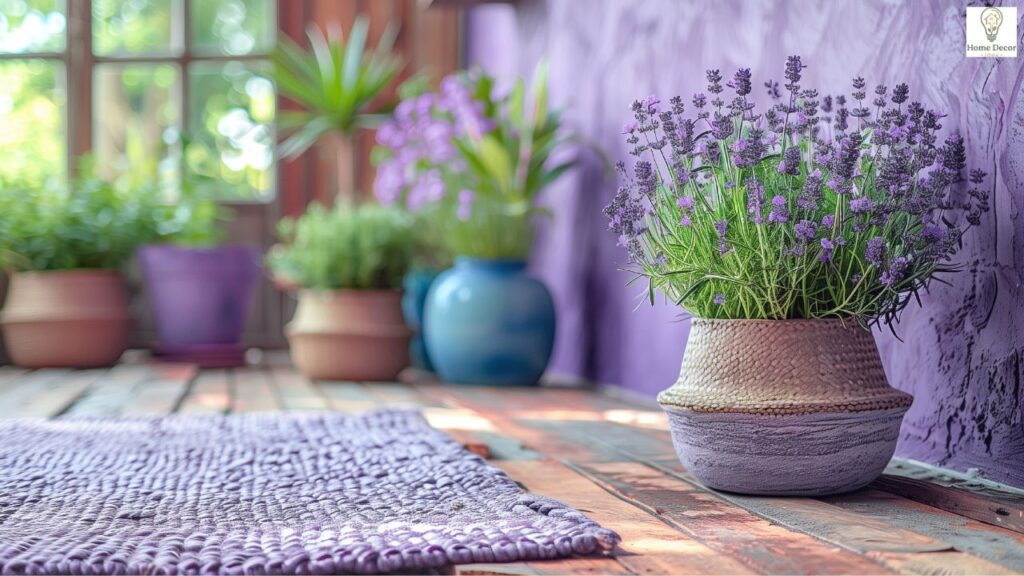
Unlike many ornamental plants that offer only looks, spanish lavender in home environments can contribute fragrance, elegance, and a calming atmosphere all at once. Its distinctive flower heads, silvery-green foliage, and Mediterranean charm make it a favorite for modern interiors, traditional homes, and even small apartments.
Whether you’re an experienced gardener or someone looking for a low-maintenance plant to brighten your living space, Spanish lavender offers a unique combination of beauty and functionality. This guide explores everything you need to know, from choosing the right location to decorating with this stunning plant throughout your home.
[Image: Beautiful Spanish lavender plant displayed in a bright living room]
What Is Spanish Lavender?
Understanding the Plant
Spanish lavender is a flowering evergreen shrub known for its striking blooms topped with decorative bracts that resemble butterfly wings. Native to Mediterranean regions, it thrives in sunny conditions and well-drained soil.
Compared to other lavender varieties, Spanish lavender is easily recognized by:
- Distinctive tufted flower heads
- Gray-green aromatic foliage
- Compact growth habit
- Long blooming season
- Strong ornamental value
Why Homeowners Love It
Many people choose spanish lavender in home spaces because it serves multiple purposes. It works as a decorative centerpiece, natural air freshener, and mood-enhancing plant while requiring relatively simple care.
Its versatility allows it to fit seamlessly into:
- Living rooms
- Bedrooms
- Kitchens
- Sunrooms
- Home offices
- Balconies
Benefits of Spanish Lavender in Home Spaces
Natural Fragrance
One of the biggest advantages of spanish lavender in home décor is its delightful scent. The aromatic oils released from the leaves and flowers create a fresh and welcoming environment.
Unlike artificial air fresheners, lavender provides a naturally pleasant fragrance without overwhelming the room.
Creates a Relaxing Atmosphere
Lavender has long been associated with feelings of calm and relaxation. Adding Spanish lavender to frequently used areas can help create a peaceful environment where family members and guests feel comfortable.
Many homeowners place lavender near reading corners, meditation spaces, or bedrooms to encourage a tranquil ambiance.
[Image: Infographic showing the benefits of Spanish lavender for indoor spaces]
Adds Visual Interest
Spanish lavender provides texture, color, and architectural beauty. The unique flower shape immediately draws attention and serves as a natural focal point.
Its purple blooms pair beautifully with:
- Neutral color palettes
- Modern décor
- Rustic interiors
- Coastal themes
- Mediterranean-inspired designs
Supports Indoor Wellness
Although houseplants are not medical treatments, many people appreciate the connection to nature they provide. Bringing plants indoors can make living spaces feel more vibrant and welcoming.
The presence of spanish lavender in home environments often encourages a stronger appreciation for natural décor and indoor gardening.
Choosing the Best Location for Spanish Lavender
Sunlight Requirements
Spanish lavender loves sunlight. To thrive indoors, it generally needs several hours of bright light daily.
Ideal locations include:
- South-facing windows
- Bright east-facing windows
- Sunrooms
- Glass-enclosed patios
Insufficient light can lead to reduced flowering and weaker growth.
Temperature Considerations
This Mediterranean plant prefers warm conditions and good airflow.
For best results:
- Avoid placing it near cold drafts
- Keep it away from heating vents
- Maintain moderate indoor temperatures
- Ensure proper ventilation
Humidity Levels
Unlike tropical plants, Spanish lavender prefers relatively dry conditions. Excess humidity may encourage fungal problems and reduce overall plant health.
Because of this, bathrooms are typically not the best location for long-term growth.
How to Grow Spanish Lavender Successfully Indoors
Selecting the Right Pot
A quality container is essential when growing spanish lavender in home settings.
Look for pots that:
- Include drainage holes
- Allow air circulation around roots
- Are slightly larger than the root ball
- Prevent water accumulation
Terracotta containers are often a popular choice because they help excess moisture evaporate.
Choosing the Best Soil
Spanish lavender prefers soil that drains quickly.
An ideal growing medium should be:
- Loose
- Well-draining
- Moderately fertile
- Resistant to waterlogging
Avoid heavy soils that remain wet for extended periods.
Watering Properly
Overwatering is among the most common mistakes people make with lavender.
A good approach includes:
- Checking soil moisture before watering.
- Allowing the top layer to dry slightly.
- Watering deeply but infrequently.
- Emptying drainage trays after watering.
Proper watering encourages healthy root development and vigorous flowering.
[Image: Spanish lavender in decorative pots near a sunny home office window]
Decorating with Spanish Lavender in Home Design
Living Room Styling Ideas
The living room is often the heart of the home, making it an excellent location for spanish lavender in home décor.
Design ideas include:
- Displaying a large plant beside a sofa
- Using lavender as a coffee table accent
- Pairing it with woven baskets
- Combining it with neutral-toned furnishings
Bedroom Décor Inspiration
Spanish lavender can bring a sense of calm and softness to bedrooms.
Consider placing it:
- On a nightstand
- Near a reading chair
- On a sunny dresser
- Along a bedroom window ledge
Its subtle fragrance helps create a cozy and inviting retreat.
Kitchen Placement
Kitchens benefit from greenery just as much as other rooms.
Spanish lavender works well:
- Near sunny windows
- On decorative shelves
- Along breakfast nooks
- Beside herb gardens
Its Mediterranean character naturally complements culinary spaces.
Home Office Enhancement
Adding spanish lavender in home office environments introduces color and freshness to workspaces.
Benefits include:
- Improved visual appeal
- Reduced monotony
- Stronger connection to nature
- Enhanced workspace aesthetics
Seasonal Care Guide
Spring
Spring is an active growth period for Spanish lavender.
Tasks include:
- Inspecting for new growth
- Refreshing soil if needed
- Increasing sunlight exposure
- Monitoring watering schedules
Summer
Summer often brings peak flowering.
Focus on:
- Consistent sunlight
- Proper drainage
- Deadheading spent blooms
- Air circulation
Autumn
As growth slows, watering requirements may decrease.
Autumn care includes:
- Removing damaged stems
- Cleaning fallen foliage
- Preparing for lower light conditions
Winter
Winter care should prioritize preventing overwatering.
During this season:
- Water less frequently
- Maximize available sunlight
- Protect from cold drafts
- Monitor indoor temperatures
Common Problems and Solutions
Yellow Leaves
Yellowing leaves often indicate excessive moisture.
Potential causes include:
- Overwatering
- Poor drainage
- Compacted soil
Addressing these issues quickly can prevent root damage.
Weak Growth
If spanish lavender in home containers appears leggy or weak, inadequate light may be the reason.
Solutions include:
- Moving the plant closer to a bright window
- Rotating the pot regularly
- Using supplemental lighting if necessary
Lack of Flowers
Reduced flowering can result from:
- Insufficient sunlight
- Excess fertilizer
- Improper pruning
Maintaining proper growing conditions usually encourages blooming.
Root Issues
Healthy roots are essential for long-term success.
Signs of root problems include:
- Wilting
- Slow growth
- Foul odors
- Persistent soil moisture
Prompt action can often restore plant health.
Companion Plants for Indoor Displays
Decorative Pairings
Spanish lavender looks beautiful alongside:
- Rosemary
- Sage
- Thyme
- Olive trees
- Succulents
These plants share similar aesthetic qualities and often complement Mediterranean-inspired interiors.
Creating Balanced Arrangements
When designing plant displays:
- Mix different heights
- Use contrasting textures
- Maintain similar care requirements
- Avoid overcrowding
Thoughtful arrangements maximize visual impact while simplifying maintenance.
Harvesting and Using Spanish Lavender
Drying Flowers
Many homeowners growing spanish lavender in home settings enjoy preserving blooms after flowering.
Basic drying steps include:
- Harvest healthy flower stems.
- Bundle small groups together.
- Hang upside down in a dry area.
- Store once fully dried.
Decorative Uses
Dried lavender can be used in:
- Floral arrangements
- Decorative wreaths
- Drawer sachets
- Table centerpieces
Fragrant Home Accents
The pleasant scent of dried lavender makes it useful for naturally refreshing indoor spaces.
Popular applications include:
- Closet fresheners
- Decorative bowls
- Linen storage
- Seasonal decorations
Long-Term Maintenance Tips
Regular Pruning
Pruning helps maintain shape and encourages fuller growth.
Benefits include:
- Improved appearance
- Better airflow
- Increased flowering potential
- Reduced woody growth
Monitoring Plant Health
Successful indoor gardeners regularly inspect plants for:
- Discoloration
- Pests
- Wilted growth
- Soil issues
Routine observation helps identify problems early.
Repotting When Necessary
Over time, roots of spanish lavender in home outgrow their containers.
Signs repotting is needed:
- Roots emerging from drainage holes
- Reduced growth
- Frequent drying of soil
- Crowded root systems
Proper repotting supports continued health and flowering.