
Old furniture has a way of making you pause. Maybe it is a scratched dresser in the guest room, a glossy table that no longer matches your style, or a wooden chair that looks tired but still feels too good to throw away. The good news is that painting furniture without sanding can give those pieces a fresh start without turning your weekend into a dusty workshop project.
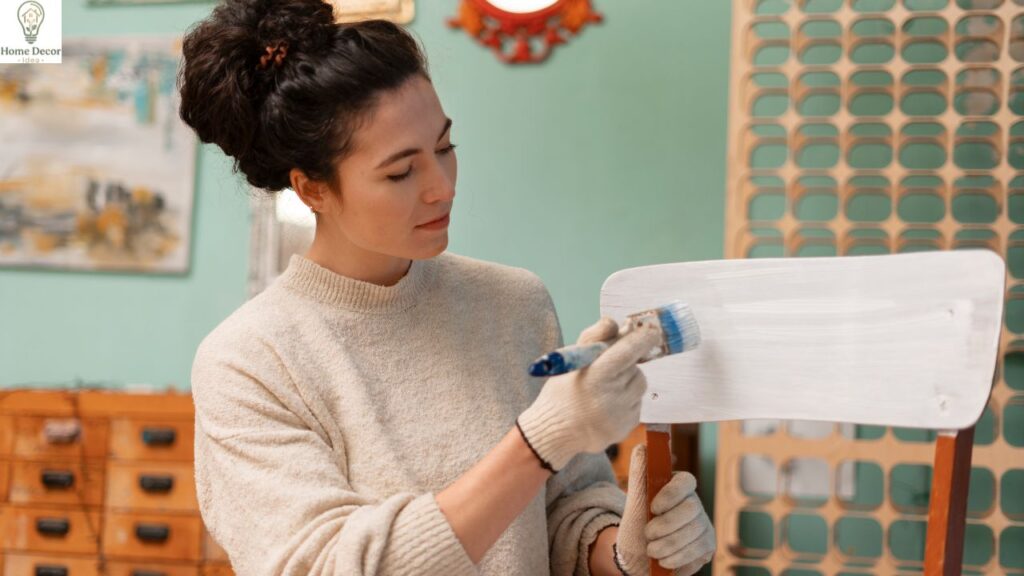
A lot of people avoid furniture makeovers because they imagine hours of sanding, stripping, cleaning, and mess. But today, there are better paints, primers, bonding products, and prep methods that make it possible to paint furniture without sanding and still get a beautiful finish.
[Image: A bright room showing an old wooden dresser being transformed with paint, brushes, drop cloth, and hardware laid neatly nearby.]
This guide walks you through the real process: what works, what does not, which paints to choose, how to handle dressers, tables, desks, glossy surfaces, and how to avoid peeling or brush marks. Whether you want to paint a dresser, refresh a table, or update bedroom furniture, you can do it with a practical, low-mess approach.
The goal is simple: help you feel confident enough to start, finish, and actually enjoy the transformation.
Why painting furniture without sanding works
The idea sounds almost too easy, but painting furniture without sanding is not about skipping preparation completely. It is about replacing heavy sanding with smarter prep. Instead of grinding down the entire surface, you clean, degloss, prime when needed, and use products designed to grip.
That means painting without sanding can work on many surfaces, including finished wood, previously painted pieces, laminate-style furniture, and glossy dressers. The key is understanding the condition of the piece before you begin.
If the furniture is dirty, oily, waxy, flaky, or damaged, paint will struggle to stick. But if the surface is cleaned properly and treated with the right bonding product, you can often paint without sanding and still get a finish that looks smooth and lasts.
This is especially helpful for beginners. The easiest way to paint furniture is not always the fastest method, but it is the method that avoids unnecessary steps while still giving the paint something to hold onto.
Can you really paint furniture without sanding?
Yes, can you paint furniture without sanding? In many cases, absolutely. But there is one honest rule: the surface must be sound. Paint does not fix loose veneer, peeling old paint, grease, wax, or water damage. Those problems need attention first.
People often ask, can i paint furniture without sanding, can you paint wood furniture without sanding, or can i paint wood without sanding. The answer depends on the furniture finish. If the wood is sealed, glossy, or smooth, you need a bonding step such as a liquid deglosser, bonding primer, chalk-style paint, mineral paint, or another furniture paint that doesn’t require sanding.
When no-sanding methods work best
No-sanding methods work well when the furniture is:
- Clean and dry
- Structurally strong
- Not peeling or flaking
- Lightly glossy but not wax-coated
- Previously painted but still smooth
- Made from sealed wood, veneer, laminate, or manufactured wood
This is where products labeled furniture paint no sanding, no sanding furniture paint, no sand furniture paint, paint for furniture no sanding, paint for furniture without sanding, paint for wood furniture without sanding, and no sand paint for furniture can help.
When sanding may still be needed
Even if your plan is repainting furniture without sanding, some surfaces need spot repairs. You may need a light scuff or filler if the piece has deep scratches, chipped edges, bubbling veneer, or peeling paint.
This does not mean you failed. It simply means you are preparing the damaged areas instead of sanding the entire item.
What paint should you use?
Choosing the right paint matters more than people think. The best way to paint furniture is to match the product to the surface and the way the furniture will be used.
For low-use decorative pieces, chalk-style paint, mineral paint, or all-in-one paint can work beautifully. For tables, desks, chairs, and dressers that get daily use, a stronger furniture paint, enamel paint, bonding primer, and protective topcoat may be better.
Best paint types for no-sand furniture makeovers
If you want best paint for wood furniture without sanding, look for paint with strong adhesion and a durable finish. Many homeowners use:
- Chalk-style paint for a soft matte look
- Mineral paint for good bonding and durability
- Acrylic enamel for a harder finish
- Cabinet and furniture paint for high-use pieces
- Spray paint for detailed shapes, small tables, frames, and chairs
- Bonding primer plus latex or acrylic paint for tricky surfaces
If you are wondering what paint to use on wood furniture without sanding, choose a product made for furniture, cabinets, trim, or high-contact surfaces. Ordinary wall paint can work only when paired with the right primer and sealer, but it is not always the strongest choice.
For beginners, no prep furniture paint, no sanding paint, no sanding paint for furniture, no sanding wood paint, and paint that you don’t have to sand first can reduce the work. Still, cleaning is always necessary.
Do you need primer?
A lot of products say you can paint without sanding or priming, but that does not mean primer is useless. Primer is extra insurance, especially on glossy, dark, stained, or slick furniture.
If your question is how to paint furniture without sanding or priming, the answer is to use an all-in-one paint designed for adhesion. However, if the piece is shiny, dark, or heavily used, primer usually gives better results.
A primer for furniture without sanding, furniture primer no sanding, or no sanding primer can help paint grip to glossy surfaces. It can also block stains, prevent bleed-through, and make light paint cover dark furniture more evenly.
Use primer when:
- Painting dark furniture white
- Covering reddish or orange wood
- Painting glossy furniture
- Painting laminate or slick veneer
- Painting a table, desk, or dresser that gets heavy use
- You want a smoother, more durable finish
How to paint furniture without sanding step by step
If you are learning how to paint furniture without sanding, the process is not complicated. The key is patience between coats.
Step 1: Clean the furniture thoroughly
Before you paint furniture, clean every surface. Dust, wax, oil, furniture polish, and hand grease can ruin adhesion. Use a degreasing cleaner, mild soap solution, or a furniture-safe cleaning product.
This step is important whether you are trying to paint wood furniture, paint old wood furniture, paint wood dresser, paint desk, or paint antique furniture. Clean first, paint second.
Step 2: Remove hardware and drawers
If you are working on a dresser, remove knobs, pulls, and drawers. This makes painting a dresser easier and cleaner. You can also label hardware in small bags so everything goes back in the right place.
This step helps whether you are learning how to paint a dresser, how to paint dresser without sanding, how to paint a dresser without sanding, or how to repaint a dresser without sanding.
Step 3: Degloss the surface if needed
For shiny pieces, use a liquid deglosser or bonding primer. This is especially helpful if you want to know how to paint glossy furniture without sanding or can you paint over finished wood without sanding.
Deglossing dulls the slick surface chemically, helping paint bond without creating dust. It is one of the most useful tricks for painting wood furniture without sanding.
Step 4: Apply primer when needed
If the piece is dark, glossy, stained, or high-use, apply primer. This is especially important when learning how to paint dark furniture white without sanding or how to paint wood furniture white without sanding.
Primer also helps if you are painting furniture white without sanding or working with reddish wood that might bleed through.
Step 5: Paint thin coats
Use thin coats instead of one thick coat. Thick paint can drip, stay tacky, or peel. Let each coat dry according to the product directions.
This applies whether you are using wood furniture paint, wood paint furniture, wood paint for dresser, wood dresser paint, or a specialty paint for bedroom furniture.
Step 6: Seal the finish
A topcoat is not always required, but it is smart for dressers, desks, tables, chairs, and anything that gets touched often. A topcoat protects the painted wood finish and makes the furniture easier to wipe clean.
For high-use pieces, this is one of the most important steps in painting furniture diy projects.
How to paint a dresser without sanding
A dresser is one of the best beginner projects because it has flat surfaces, removable drawers, and a clear before-and-after transformation. If you are asking can you paint a dresser without sanding, yes, you can if the finish is stable and clean.
The best way to paint a dresser is to remove the drawers, clean everything, degloss glossy surfaces, prime if needed, and apply thin coats. Whether your goal is a modern black finish, a soft white makeover, or a bold color, painting a dresser without sanding can save time.
For anyone asking can i paint a dresser without sanding, the answer is yes, but do not skip cleaning. Dressers often hold skin oils, dust, perfume residue, and old furniture polish.
Dresser-specific tips
If you want to paint dresser without sanding, work drawer by drawer. Paint the frame first, then the drawer fronts. Keep paint away from drawer tracks and inside edges that rub.
These tips also apply to paint a dresser without sanding, painted dresser, painted green furniture, and painted furniture makeovers.
If you are trying how to spray paint a dresser without sanding, remove the drawers and spray in light, even passes. Spray paint works best on smaller pieces, detailed drawer fronts, or hardware, but it must be applied in a well-ventilated area.
Painting tables, desks, chairs, and bed frames
Different furniture pieces need different durability. A dresser does not get the same wear as a kitchen table. A desk sees more hand contact than a decorative bookcase. Chairs take daily movement and pressure.
For a tabletop, how to paint a table without sanding, how to paint a wooden table without sanding, how to paint a wood table without sanding, and how to paint a kitchen table without sanding all follow the same basic idea: clean well, use bonding primer or strong furniture paint, apply thin coats, and seal with a durable topcoat.
Dining tables and kitchen tables
If you are learning how to paint a dining room table without sanding, durability matters. Tables face spills, plates, elbows, heat, and cleaning. A strong enamel paint or furniture paint plus a protective finish is usually better than a soft matte paint alone.
For anyone planning to paint table without sanding, let the finish cure fully before heavy use. Paint may feel dry in a few hours, but curing can take days or weeks depending on the product.
Desks and bookcases
A desk needs a smooth finish because your hands and arms touch it often. If you are researching how to paint a desk without sanding, clean the top carefully and use a durable sealer.
You can use the same method for paint desk, peindre un bureau, or how to paint a bookcase without sanding. Bookcases need special attention on shelves because books can stick to paint that has not cured fully.
Chairs and bed frames
For chairs, how to paint wooden chairs without sanding requires careful cleaning around spindles, legs, and joints. Chairs are handled often, so adhesion and topcoat matter.
For beds, how to paint a bed frame without sanding is usually easier if you take the frame apart. Paint rails, headboards, and footboards separately for a cleaner finish.
Painting glossy, dark, cheap, and old furniture
Some pieces are more challenging than others. Glossy furniture needs grip. Dark furniture needs coverage. Cheap furniture may have laminate or paper-like surfaces. Old furniture may have wax, stain, or unknown finishes.
If you are asking how to paint glossy furniture without sanding, do not rely on paint alone. Use liquid deglosser or bonding primer. Glossy finishes are slick, and paint needs help sticking.
If you want how to paint furniture black without sanding, black paint is usually forgiving because it covers well. If you want how to paint dark furniture white without sanding, primer is much more important because white paint needs a clean, even base.
For budget pieces, many people ask can you paint cheap furniture. Yes, but be gentle. Cheap furniture may have thin veneer, laminate, or manufactured surfaces. Avoid soaking it with water, and use a bonding primer before painting.
For older pieces, how to paint old furniture without sanding, how to repaint wood furniture, how to repaint furniture, how to repaint furniture without sanding, and repaint furniture without sanding all depend on surface condition. If the old finish is peeling, repair it first.
Repainting furniture without sanding
If the piece is already painted and the finish is still smooth, painting over painted furniture without sanding can work well. Clean it, dull any glossy spots, and add a bonding primer if the old paint is slick.
The same applies to painting over painted wood without sanding. If the old paint is chipping, scrape loose areas and smooth only the damaged spots. You do not have to sand the entire piece unless the whole finish is failing.
For repaint furniture, repaint bedroom furniture, and refinish bedroom furniture, think about daily use. Bedroom furniture often handles clothing, jewelry, perfumes, lotions, and repeated touching. A washable finish is useful.
If you are doing refinishing furniture without sanding or painting furniture without sanding or stripping, remember that painting is not the same as restoring natural wood. Paint covers the surface; refinishing usually reveals or renews the wood. Choose the method that matches your goal.
White, black, two-tone, and colorful finishes
Color changes the whole mood of a piece. White feels clean and fresh. Black feels modern and bold. Green, blue, beige, and warm neutrals can make furniture look custom.
If your goal is how to paint wood furniture white without sanding, use primer first, especially over dark wood. White paint can show tannins, stains, and uneven color if the base is not sealed.
For a dramatic makeover, how to paint furniture black without sanding is often easier because black covers many old finishes well. Still, glossy surfaces need deglosser or primer.
A two tone painted hutch can look beautiful when you paint the outside one color and the inside or shelves another. This is a good idea for hutches, bookcases, cabinets, and display furniture.
If you like soft, light interiors, a phrase like paint me white captures the look many people want: clean, simple, bright furniture that makes a room feel calmer.
Spray painting furniture without sanding
Spray paint can work well for small furniture, metal hardware, chairs, frames, and pieces with detailed shapes. If you want how to spray paint furniture without sanding, the same rules apply: clean, degloss glossy surfaces, prime when needed, and use light coats.
Spray paint is not always the best choice for large dressers or tabletops unless you have space, ventilation, and patience. It can create a smooth finish, but it also shows drips if applied too heavily.
For how to spray paint a dresser without sanding, remove the drawers, spray the frame and drawer fronts separately, and keep the can moving. Several light coats look better than one heavy coat.
Furniture paint finishes and final look
The finish you choose affects both style and durability. Matte paint hides imperfections but can be harder to clean. Satin is a popular middle ground. Semi-gloss is easier to wipe but shows more surface flaws.
Common furniture paint finishes include matte, eggshell, satin, semi-gloss, distressed, glazed, washed, and sealed natural-look finishes. For most beginners, satin is the safest choice because it looks polished without being too shiny.
A good finish makes painted wooden furniture feel intentional, not rushed. Whether you prefer modern black, soft white, farmhouse green, or natural neutrals, the last coat should feel smooth and even.
Common project ideas for no-sand furniture painting
There are many ways to use this method around the home. You can paint wood without sanding, refresh a nightstand, modernize a desk, update a table, or create a statement dresser.
Here are practical project ideas:
- Use diy furniture paint for a weekend dresser makeover.
- Try diy paint furniture methods on small thrifted pieces first.
- Use upcycle furniture ideas to turn old pieces into something useful again.
- Choose painted furniture looks that match your room style.
- Refresh painting bedroom furniture projects with soft neutral colors.
- Use paint for dresser no sanding products if you want a quick dresser update.
- Try paint for wood without sanding on sealed wood pieces.
- Use paint you don’t have to sand first for beginner-friendly projects.
- Pick painted wood finish products for a smoother, stronger final coat.
This approach is also useful when asking how can i paint my bedroom furniture without sanding, how to paint bedroom furniture without sanding, how to refurbish a dresser without sanding, or best way to paint furniture without sanding.
Quick guide to matching the method to the project
For a dresser, use a durable brush-on furniture paint and seal the top. For a table, use primer and a hard topcoat. For a desk, focus on a smooth writing surface. For chairs, choose paint that handles frequent touching.
If you are asking can you paint a dresser, can you paint dresser without sanding, or can you paint a table without sanding, the answer is usually yes when the surface is clean and stable.
If your question is can you paint without sanding or can i paint without sanding, the safest answer is yes, but only if you replace sanding with cleaning, deglossing, priming, or a true bonding paint.
For wood surfaces, how to paint wood without sanding, how to paint wood furniture, how to paint over wood furniture, repainting wooden furniture, and painting wood furniture all start with the same foundation: a clean, dry, dull-enough surface.
For dressers, how to paint a dresser, painting a dresser, painting dresser without sanding, paint wood dresser, and wood dresser paint all benefit from careful drawer prep and thin coats.
Mistakes to avoid
The biggest mistake is painting over dirt. Even the best no sanding paint cannot stick well to wax, oil, dust, or furniture polish.
The second mistake is applying thick coats. Thick paint looks faster at first, but it can drip, wrinkle, peel, or stay soft. Thin coats are stronger.
The third mistake is using the furniture too soon. Paint dries before it cures. If you place lamps, books, baskets, or decorations on a freshly painted surface too early, they may leave marks.
The fourth mistake is choosing the wrong paint for the job. A decorative bookcase and a kitchen table do not need the same level of protection. High-use pieces need stronger paint and sealing.
FAQ
Is painting furniture without sanding durable?
Yes, it can be durable when the surface is cleaned properly and the right paint or primer is used. Durability depends on prep, paint type, number of coats, and curing time.
Can you paint over glossy furniture without sanding?
Yes, but glossy furniture needs help. Use a liquid deglosser, bonding primer, or paint designed for slick surfaces. This is the safest method for how to paint glossy furniture without sanding.
What is the best no-sand paint for furniture?
The best choice depends on the project. For decorative pieces, chalk-style or mineral paint can work well. For tables, desks, and dressers, use durable furniture paint, enamel paint, or bonding primer with a protective topcoat.
Can I paint wood furniture without primer?
Sometimes, yes. But primer is helpful on glossy, dark, stained, or heavily used furniture. If you want to paint furniture without sanding or priming, choose an all-in-one paint made for furniture.
How do I paint a dresser without sanding?
Clean the dresser, remove hardware and drawers, degloss if glossy, prime if needed, apply thin coats, and seal the top. This is the most reliable method for how to paint a dresser without sanding.
Can I paint over finished wood without sanding?
Yes, if the finish is clean and stable. For can you paint over finished wood without sanding, the best approach is to clean thoroughly and use deglosser or bonding primer before painting.
Do I need to seal painted furniture?
For low-use decorative pieces, maybe not. For dressers, tables, desks, chairs, and bedroom furniture, sealing helps protect the surface from scratches, moisture, and daily wear.
Why is my paint peeling?
Peeling usually happens because the surface was dirty, glossy, waxy, or not fully cured. It can also happen when paint is applied too thickly or the wrong product is used.
Conclusion
Painting furniture without sanding gives you a practical way to refresh old pieces without the dust, mess, and frustration of traditional prep. It is not about skipping every step; it is about using the right steps so paint can bond properly.
With a clean surface, the right paint, smart primer choices, thin coats, and enough curing time, you can turn old dressers, tables, chairs, desks, and bedroom furniture into pieces you actually love again. A simple furniture makeover can change the feeling of a whole room, and sometimes the piece you almost gave away becomes the one you are happiest you kept.