
There’s something incredibly satisfying about transforming simple materials into a beautiful piece of home décor. A diy area rug can instantly add warmth, texture, and personality to any room while allowing you to showcase your creativity. Instead of spending a fortune on store-bought options, many homeowners are discovering how rewarding it can be to make a rug themselves.
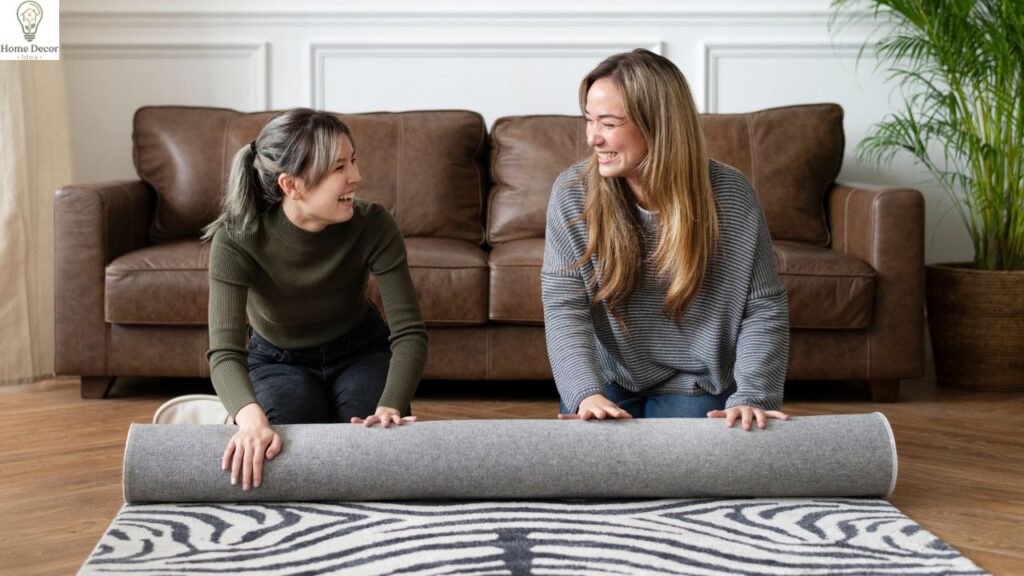
Whether you want a modern statement piece, a cozy accent for your bedroom, or a durable floor covering for a busy family room, learning how to make a rug opens up endless possibilities. From beginner-friendly projects to advanced techniques, there are countless ways to create a custom design that perfectly matches your home.
The popularity of diy area rug projects continues to grow because they combine affordability, creativity, and practicality. If you’ve ever wondered how do you make a rug, what materials work best, or what do i need to make a rug, this guide will walk you through everything you need to know.
Why Make Your Own Rug?
Creating your own rug offers several advantages over buying one from a retailer. When you make your own rug, you gain complete control over the design, size, color palette, and materials.
Some benefits include:
- Lower overall cost
- Complete design freedom
- Custom sizing
- Sustainable material choices
- Unique one-of-a-kind décor
Many DIY enthusiasts choose to make your own area rug because standard rug sizes often don’t fit their spaces perfectly.
After all, few decorating projects offer the same level of personalization as making your own rug.
Understanding Rug Materials
Before starting any project, it’s important to understand the materials involved in making rugs.
Choosing the Right Rug Fabric
The quality of your rug fabric significantly impacts the durability and appearance of your finished project.
Popular options include:
- Canvas
- Cotton duck cloth
- Upholstery fabric
- Denim
- Wool blends
- Outdoor fabrics
Selecting durable rug fabric is especially important if your rug will be placed in a high-traffic area.
Fabric Rugs vs Traditional Rugs
Many homeowners prefer fabric rugs because they are lightweight, customizable, and easier to create at home.
A quality fabric rug can look just as stylish as expensive retail alternatives while costing a fraction of the price.
If you’re interested in how to make a rug with fabric, you’ll find that fabric-based projects are often ideal for beginners.
DIY Area Rug Planning Essentials
Every successful diy area rug begins with proper planning.
Before purchasing supplies, consider:
Room Measurements
Accurate measurements ensure your rug fits the space correctly.
Color Selection
Choose colors that complement your existing décor rather than compete with it.
Intended Use
A bedroom rug may prioritize comfort, while an entryway rug requires durability.
Planning ahead makes diy rug making significantly easier and helps avoid costly mistakes later.
What Do You Need to Make a Rug?
One of the most common questions beginners ask is what do you need to make a rug.
Basic supplies include:
- Fabric
- Rug backing
- Measuring tape
- Fabric scissors
- Heavy-duty adhesive
- Sewing supplies
- Rotary cutter
- Fabric marker
If you’re still wondering what do i need to make a rug, the answer depends largely on your chosen construction method.
How to Make a Rug Out of Fabric
Learning how to make a rug out of fabric is one of the easiest ways to start your rug-making journey.
Materials Needed
- Durable fabric
- Non-slip rug pad
- Fabric adhesive
- Measuring tape
Step-by-Step Process
- Measure your desired rug size.
- Cut the fabric accordingly.
- Trim the backing material.
- Attach fabric to backing.
- Finish the edges.
- Allow adhesives to cure.
This simple approach is perfect for anyone learning how to make a rug from fabric for the first time.
DIY Area Rug From Fabric
A diy area rug from fabric is ideal for homeowners seeking an affordable and highly customizable project.
Using quality materials ensures the finished rug remains attractive and functional for years.
[IMAGE: Fabric pieces being assembled into a rug]
How to Make a Fabric Rug That Lasts
Understanding how to make a fabric rug properly can dramatically improve durability.
Key factors include:
Strong Fabric Selection
Choose heavy-duty materials capable of withstanding regular foot traffic.
Reinforced Edges
Finished edges prevent fraying and increase longevity.
Quality Backing
A non-slip backing helps maintain shape and improves safety.
Following these principles makes how to make a homemade rug much easier and more successful.
How to Sew a Rug
For long-term durability, many crafters prefer sewing rather than gluing.
Learning how to sew a rug involves:
- Preparing fabric pieces.
- Aligning seams carefully.
- Using heavy-duty thread.
- Reinforcing stress points.
- Finishing all exposed edges.
Sewn rugs often outperform glued alternatives in busy households.
Making a Rug with Recycled Materials
One of the most sustainable approaches to making a rug involves repurposing old textiles.
Popular materials include:
- T-shirts
- Jeans
- Sheets
- Blankets
- Towels
This method is perfect for those interested in making rugs at home while reducing waste.
Homemade Rug Ideas for Every Style
A homemade rug can be tailored to virtually any design preference.
Popular styles include:
Braided Rugs
Classic and timeless.
Patchwork Rugs
Great for using fabric scraps.
Painted Canvas Rugs
Ideal for modern spaces.
Knotted Rugs
Perfect for textured designs.
These are among the easiest rugs to make for beginners.
DIY Rug Styles Worth Trying
If you’re looking for inspiration, consider these popular diy rug projects:
- Braided rug
- Painted rug
- Rope rug
- Rag rug
- Woven rug
- Tufted rug
These versatile diy rugs can suit nearly any decorating style.
Many homeowners explore multiple diy rugs ideas before selecting a final design.
How to Make Rugs at Home Like a Professional
If you’ve ever wondered how to make rugs at home, the key is focusing on quality and preparation.
Professional-looking results require:
- Accurate measurements
- Durable materials
- Strong construction
- Proper finishing
By following these principles, you’ll quickly improve your skills in making rugs and create pieces that look professionally crafted.
Advanced DIY Rug Making Techniques
Once you’ve mastered the basics, you can explore more advanced methods of diy rug making. These techniques allow you to create professional-looking rugs that rival expensive retail options.
Tufting: The Modern Way to Make Custom Rugs
Tufting has become one of the most popular methods for making custom rugs. Using a tufting gun and backing cloth, you can create detailed designs, logos, and artwork.
If you’re interested in make custom rugs projects, tufting offers endless possibilities:
- Personalized names
- Abstract artwork
- Geometric designs
- Character-inspired patterns
- Statement pieces
Many creators who learn how to make custom rugs eventually turn their hobby into a profitable side business.
Woven Rug Projects
Weaving is another traditional technique used in making rugs. Although it requires more time, the results are often stunning.
To create a woven rug:
- Build a simple frame loom.
- Stretch warp threads tightly.
- Weave fabric strips through the frame.
- Secure the ends.
- Trim excess material.
This approach is excellent for anyone interested in handmade rugs diy projects that showcase craftsmanship.
How to Make Rugs at Home with Recycled Materials
One of the most budget-friendly ways to create a rug is by using items you already own.
If you’re wondering how to make rugs at home without spending much money, consider repurposing:
- Old t-shirts
- Bed sheets
- Denim jeans
- Towels
- Blankets
- Fabric remnants
These materials can be transformed into attractive fabric rugs that look stylish while reducing waste.
T-Shirt Yarn Rugs
T-shirt yarn is a favorite among DIY enthusiasts.
The process is simple:
- Cut shirts into continuous strips.
- Stretch the strips to form yarn.
- Braid, crochet, or weave the material.
- Secure the finished shape.
This is one of the easiest ways to make rugs at home while giving old clothing a second life.
How to Make a Carpet for Large Spaces
Sometimes standard rug sizes aren’t large enough. That’s when learning how to make a carpet becomes useful.
A custom carpet-style project can cover:
- Large living rooms
- Basements
- Playrooms
- Home offices
- Open-concept spaces
To create a larger floor covering:
Measure Carefully
Determine the exact dimensions of your space before purchasing materials.
Select Durable Materials
Because large rugs experience more wear, choose sturdy rug fabric that can handle regular use.
Use Multiple Panels
If one piece of fabric isn’t large enough, sew several sections together.
This technique is often used when homeowners want to make your own carpet rather than purchasing expensive wall-to-wall carpeting.
How to Make a Carpet That Looks Professional
For polished results:
- Finish all edges neatly.
- Use quality backing.
- Reinforce seams.
- Add non-slip protection.
- Test durability before installation.
These small details make a significant difference when learning how to make carpets that stand up to daily use.
DIY Large Rug Projects for Big Rooms
Creating a diy large rug can dramatically improve a room’s appearance.
Large rugs help:
- Define seating areas
- Reduce noise
- Add warmth
- Protect flooring
- Create visual balance
A diy large area rug is especially useful in open floor plans where separate functional zones need definition.
Best Materials for Large Rugs
When planning a larger project, consider:
- Canvas drop cloths
- Upholstery fabric
- Indoor-outdoor textiles
- Cotton duck cloth
- Wool blends
These materials provide the durability required for oversized rugs.
How Do You Make Rugs That Last?
A common question among beginners is how do you make rugs durable enough for everyday use.
The answer comes down to three factors:
Quality Materials
Strong fabrics last longer than lightweight decorative textiles.
Proper Construction
Whether you’re making rug projects by sewing, braiding, or weaving, secure construction is essential.
Rug Backing
A quality backing prevents stretching, slipping, and premature wear.
If someone asks how do you make a rug that survives years of foot traffic, these three elements are the foundation.
DIY Ruggables-Inspired Rug Projects
Washable rugs have become increasingly popular, leading many homeowners to create diy ruggables alternatives.
These projects feature:
- Removable rug covers
- Washable fabrics
- Reusable bases
- Easy maintenance
To create a washable rug:
- Choose a durable fabric top.
- Attach hook-and-loop fasteners.
- Use a non-slip rug pad underneath.
- Design sections that can be removed for cleaning.
This approach combines convenience with affordability.
Build a Rug from Scratch
If you’re ready to build a rug entirely from the ground up, planning becomes critical.
Before starting:
- Sketch your design.
- Calculate dimensions.
- Choose materials.
- Determine construction methods.
- Gather all supplies.
Many people who initially search for build your own rug are surprised by how achievable the process becomes with proper preparation.
Making Your Own Rug: Common Mistakes to Avoid
When making your own rug, avoiding common errors can save time and frustration.
Choosing the Wrong Fabric
Not all fabrics are suitable for floor use. Always prioritize durability.
Skipping Backing Material
A rug without backing may slide, wrinkle, or wear out quickly.
Ignoring Room Measurements
Even beautiful rugs can look awkward if they’re improperly sized.
Rushing the Process
Whether you’re making carpet or creating a small accent rug, patience produces better results.
Easy DIY Rug Ideas for Beginners
If you’re looking for an easy diy rug project, start with one of these beginner-friendly options:
Painted Canvas Rug
A canvas drop cloth can be transformed using fabric paint and stencils.
Rope Rug
Cotton rope glued into a spiral pattern creates a stylish textured rug.
Patchwork Rug
Fabric scraps sewn together create a colorful and unique design.
Knotted Rag Rug
Perfect for recycled fabrics and beginner crafters.
These diy rugs ideas require minimal tools while producing impressive results.
How to Make Your Own Rugs for Every Room
Different rooms require different rug characteristics.
Living Room
Large statement rugs help anchor furniture.
Bedroom
Soft textures add warmth and comfort.
Kitchen
Washable materials simplify cleaning.
Entryway
Durable construction handles heavy traffic.
Understanding room requirements helps when deciding how to make your own rugs that remain functional and attractive.
What Do You Need to Make a Rug Successfully?
Many beginners still wonder what do you need to make a rug beyond fabric and tools.
Additional helpful supplies include:
- Rug grippers
- Fabric sealant
- Heavy-duty needles
- Rotary cutting mats
- Fabric markers
- Edge binding tape
Having the right equipment can make the entire process smoother and more enjoyable.
Rug DIY Trends Gaining Popularity
The world of rug diy projects continues to evolve.
Current trends include:
- Organic textures
- Neutral color palettes
- Oversized area rugs
- Washable designs
- Sustainable materials
- Personalized artwork
These trends offer inspiration for anyone looking to make a rug that feels modern and stylish.
Home Made Rugs vs Store-Bought Rugs
Choosing between home made rugs and retail options depends on your goals.
Advantages of DIY
- Custom sizing
- Unique designs
- Lower costs
- Personal satisfaction
- Sustainable materials
Advantages of Store-Bought Rugs
- Immediate availability
- Professional manufacturing
- Wider material selection
For many homeowners, the ability to make your own rug outweighs the convenience of purchasing one.
FAQ
How do you make a rug for beginners?
The easiest method is creating a no-sew diy rug using fabric, rug backing, and fabric adhesive. This project requires minimal tools and can often be completed in a single day.
How to make a rug from fabric?
To learn how to make a rug from fabric, cut your fabric to size, attach it to a non-slip backing, secure the edges, and allow any adhesive to cure completely.
Can I make my own rug without sewing?
Yes. Many people make your own rug projects using fabric glue, rug tape, or fusible bonding materials instead of sewing.
How to make homemade rugs that last?
Focus on durable materials, reinforced edges, quality backing, and proper maintenance. These factors help how to make homemade rugs that remain attractive for years.
What is the best fabric for a DIY rug?
Canvas, upholstery fabric, denim, and cotton duck cloth are excellent choices because they are durable and easy to work with.
How to make custom rugs at home?
If you’re learning how to make custom rugs at home, start by creating a design plan, selecting materials, and choosing a construction method such as sewing, tufting, weaving, or braiding.
Can I make a custom rug for a large room?
Absolutely. Many homeowners make a custom rug specifically for oversized spaces where standard rug sizes don’t fit properly.
How long does rug making take?
Simple projects may take a few hours, while more detailed making rugs projects can take several days or even weeks.
Is DIY rug making cheaper than buying a rug?
In most cases, yes. diy carpets and custom rugs are often more affordable than premium retail alternatives, especially when recycled materials are used.
Conclusion
Creating a beautiful diy area rug is one of the most rewarding home décor projects you can tackle. Whether you want to make a rug from recycled fabrics, experiment with diy rug techniques, create washable diy ruggables-inspired designs, or learn how to make your own rug completely from scratch, there is a method suited to every skill level and budget.
From simple fabric on floor solutions to advanced projects focused on making custom rugs, the possibilities are nearly endless. With the right materials, a little creativity, and careful planning, anyone can make your own area rug that reflects personal style while enhancing the comfort and beauty of a space.
The next time you see an empty section of flooring, consider skipping the store and choosing to make rug projects yourself. The result will be a one-of-a-kind creation that adds warmth, character, and a sense of accomplishment to your home.