
Few household discoveries cause panic faster than spotting a tiny brown insect crawling across a mattress or bedroom wall. When people encounter bugs that look like bed bugs in home environments, it’s easy to assume the worst and immediately fear a bed bug infestation.
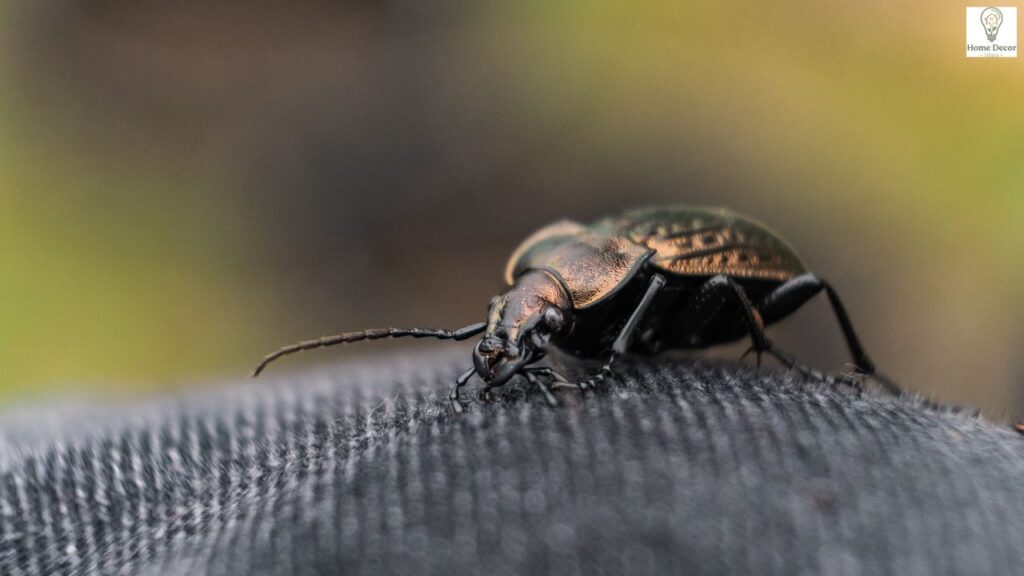
The reality is that many common household insects closely resemble bed bugs. Some are harmless, while others may require pest control measures. Correct identification is essential because treating the wrong pest can waste time, money, and effort.
Understanding the differences between bed bugs and their lookalikes can help homeowners respond appropriately and avoid unnecessary stress. This guide explores the most common insects mistaken for bed bugs, explains how to identify them, and provides practical advice for keeping your home pest-free.
Understanding Bed Bugs Before Identifying Lookalikes
What Are Bed Bugs?
Bed bugs are small, reddish-brown insects that feed on the blood of humans and animals. Adult bed bugs are typically flat, oval-shaped, and about the size of an apple seed.
Key characteristics include:
- Oval body shape
- Reddish-brown coloration
- Six legs
- No wings
- Flattened appearance before feeding
- Swollen body after feeding
Many homeowners searching for bugs that look like bed bugs in home situations first need to understand what an actual bed bug looks like.
Why Misidentification Happens
Bed bugs share several physical traits with other insects. Small size, brown coloring, and oval bodies can make many pests appear nearly identical at first glance.
Common reasons for confusion include:
- Poor lighting
- Small insect size
- Lack of magnification
- Limited insect knowledge
- Panic after discovering bugs indoors
[Image: Close-up comparison of a bed bug and common household insect lookalikes]
Common Bugs That Look Like Bed Bugs in Home Settings
Bat Bugs
Bat bugs are among the closest relatives of bed bugs and are often mistaken for them.
How to Identify Bat Bugs
Bat bugs resemble bed bugs in almost every way, but they possess longer hairs on their bodies.
Signs include:
- Similar reddish-brown color
- Nearly identical size
- Fine body hairs visible under magnification
- Presence near attics or bat nesting areas
When homeowners discover bugs that look like bed bugs in home spaces near attics or chimneys, bat bugs may be responsible.
Carpet Beetles
Carpet beetles are frequently misidentified as bed bugs, especially during their larval stage.
Characteristics of Carpet Beetles
Adult carpet beetles differ significantly from bed bugs, but larvae can cause confusion.
Features include:
- Small oval bodies
- Varied coloration
- Hairy larvae
- Attraction to fabrics and carpets
Unlike bed bugs, carpet beetles do not feed on blood.
Spider Beetles
Spider beetles have rounded bodies that can resemble bed bugs from a distance.
Identification Tips
Spider beetles typically have:
- Glossy appearance
- Long legs
- Rounded abdomen
- Brown or reddish coloration
Their shape often causes concern among homeowners searching for bugs that look like bed bugs in home environments.
Other Household Insects Commonly Mistaken for Bed Bugs
Booklice
Booklice are tiny insects commonly found in damp areas.
Characteristics include:
- Soft bodies
- Pale coloration
- Preference for humid spaces
- Feeding on mold and organic matter
Although smaller than bed bugs, they can still cause confusion.
[Image: Infographic comparing bed bugs, bat bugs, carpet beetles, and spider beetles]
Fleas
Fleas are another insect often mistaken for bed bugs.
Differences Between Fleas and Bed Bugs
Fleas:
- Jump long distances
- Have narrow bodies
- Commonly infest pets
- Move much faster
Bed bugs cannot jump and typically crawl.
Cockroach Nymphs
Young cockroaches can sometimes resemble bed bugs because of their size and color.
Signs include:
- Elongated body shape
- Faster movement
- Presence near food sources
- Preference for kitchens and bathrooms
Correct identification is important when dealing with bugs that look like bed bugs in home inspections.
Ticks
Ticks occasionally enter homes on pets or clothing.
How Ticks Differ
Ticks have:
- Eight legs
- Rounded bodies
- Slow movement
- No antennae
Bed bugs have six legs and visible antennae.
Signs You May Actually Have Bed Bugs
Bite Patterns
While bites alone cannot confirm bed bugs, they may provide clues.
Possible signs include:
- Clusters of bites
- Linear bite patterns
- Itchy red marks
- Symptoms appearing after sleep
Physical Evidence
Additional evidence may include:
- Shed skins
- Tiny eggs
- Rust-colored stains
- Live insects
These indicators help distinguish bed bugs from other bugs that look like bed bugs in home situations.
Common Hiding Places
Bed bugs frequently hide in:
- Mattress seams
- Bed frames
- Upholstered furniture
- Headboards
- Electrical outlets
- Wall cracks
Inspecting these areas carefully can improve identification accuracy.
[Image: Bedroom inspection showing common bed bug hiding locations]
How to Identify Bugs Correctly
Use a Flashlight
A bright flashlight helps reveal insect features that may otherwise be overlooked.
Take Clear Photos
High-quality photographs can help homeowners compare insects with reference images or consult professionals.
Examine Body Shape
Pay attention to:
- Leg count
- Body segmentation
- Antennae
- Wing presence
- Color patterns
These details often distinguish bed bugs from similar insects.
Consult a Pest Professional
When uncertainty remains, professional identification provides the most reliable answer.
Experts can determine whether bugs that look like bed bugs in home environments are truly bed bugs or another pest entirely.
Why Proper Identification Matters
Avoid Unnecessary Treatments
Mistaking harmless insects for bed bugs can result in:
- Unneeded expenses
- Excessive pesticide use
- Stress and anxiety
- Disruption to household routines
Choose Effective Control Methods
Different pests require different solutions.
For example:
- Carpet beetles require fabric management.
- Fleas require pet treatment.
- Bat bugs require addressing bat infestations.
- Bed bugs require specialized eradication methods.
Protect Household Health
Proper identification ensures targeted action while minimizing exposure to unnecessary chemicals.
Prevention Tips for Household Pest Problems
Reduce Clutter
Clutter creates hiding places for many pests.
Focus on:
- Organizing storage areas
- Reducing unused items
- Vacuuming regularly
- Cleaning under furniture
Inspect Secondhand Furniture
Many infestations begin with used furniture.
Before bringing items indoors:
- Inspect seams
- Check crevices
- Examine upholstery
- Look for signs of insects
Maintain Clean Living Spaces
Routine cleaning helps discourage many household pests.
Important tasks include:
- Frequent vacuuming
- Washing bedding
- Cleaning pet areas
- Removing food debris
Address Moisture Problems
Some insects thrive in humid conditions.
Reduce moisture by:
- Repairing leaks
- Improving ventilation
- Using dehumidifiers
- Monitoring damp spaces
These measures can help prevent several bugs that look like bed bugs in home environments.
Seasonal Trends and Insect Activity
Spring and Summer
Warmer weather often increases insect activity.
Common sightings include:
- Carpet beetles
- Fleas
- Spider beetles
- Cockroach nymphs
Fall
As temperatures cool, insects frequently seek shelter indoors.
This can increase reports of bugs that look like bed bugs in home areas.
Winter
While many insects become less active outdoors, indoor heating allows some pests to remain active throughout winter.
Mistakes People Make When Identifying Bed Bug Lookalikes
Assuming Every Brown Bug Is a Bed Bug
Many insects share a similar appearance. Visual confirmation requires careful inspection.
Ignoring Behavioral Differences
Movement patterns often reveal important clues.
For example:
- Fleas jump.
- Cockroach nymphs run rapidly.
- Bed bugs typically crawl slowly.
Relying Only on Bite Marks
Skin reactions vary greatly among individuals and cannot reliably identify specific insects.
Delaying Professional Help
Persistent uncertainty should be addressed by pest management professionals who can accurately identify bugs that look like bed bugs in home situations.