
When people in the U.S. look for China Garden, many images come to mind — meandering stone paths, gently rippling water features, bamboo whispering in the breeze, and pavilion roofs peeking from mossy rock clusters. But beneath the visual appeal lies something deeper: a design tradition that weaves philosophy, symbolism, and landscape art into everyday living spaces. Rather than being about geography, a China garden is about a way of seeing the world — and bringing that sensibility into your home garden and décor.
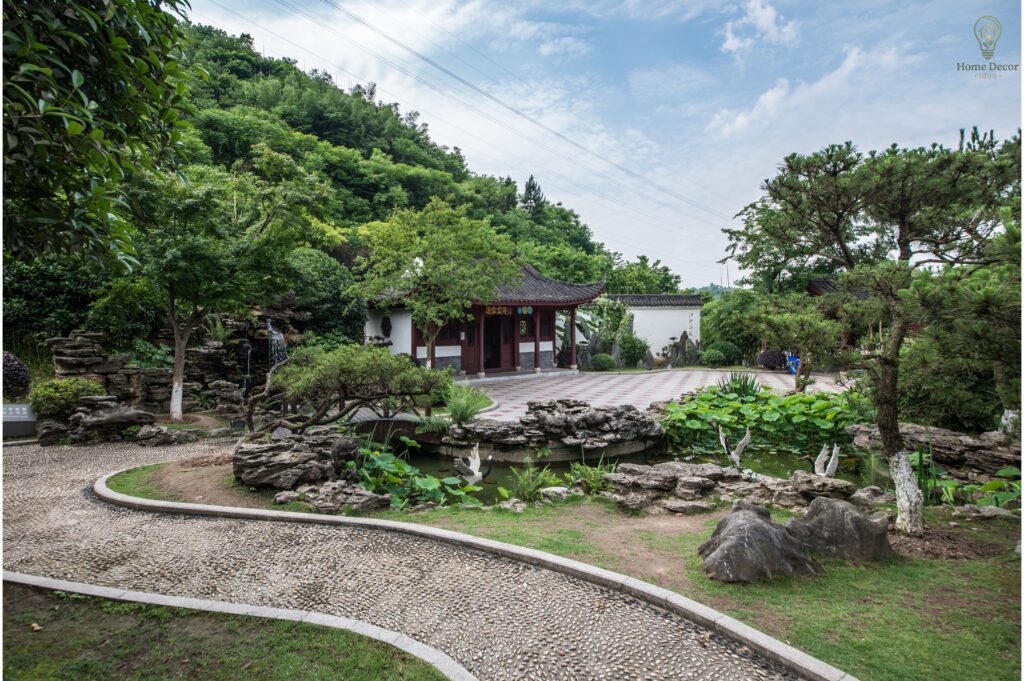
What Makes a Chinese Garden More Than Just Pretty Plants?
At the heart of this style is the concept of harmony with nature — a governing principle rooted in Daoist thought. Classical sites like the Humble Administrator’s Garden and the Classical Gardens of Suzhou are world‑renowned not just for beauty, but for how they compress the universe into a contemplative space.
A traditional Chinese garden is not merely a collection of plants. It integrates:
- Water — shaped into ponds or streams to mirror sky and season.
- Rocks — sculptural limestone formations that suggest mountains.
- Plants — selected for symbolism as much as aesthetics.
- Architecture — pavilions and moon gates that frame views like paintings.
- Philosophy — creating a space for reflection, serenity, and balance.
This holistic integration distinguishes the style from typical Western garden beds, where order and symmetry often reign.
Core Elements You Can Use in Your Home Garden
Whether you have an urban patio or a sprawling backyard in Atlanta, the essence of Chinese garden design can be adapted:
1. Water as the Centerpiece of Life
A small pond, bubbling fountain, or shallow basin offers both visual calm and kinetic sound. Water also functions as an anchor for seasonal plantings.
2. Rockery & Natural Stone
Instead of flat lawns, consider rock clusters that create natural focal points. In classical gardens, rocks are symbolic of mountains and resilience.
3. Plant Selection with Symbolism
Plants like bamboo (flexibility), lotus (purity), plum trees (endurance), and magnolia (nobility) carry long‑standing cultural meaning — a layer that invites visitors to feel something, not just observe something.
4. Architecture & Framing Views
Even small structures — trellises, moon gates, curved benches — act as “frames” for views, similar to how paintings are composed.
5. Pathways That Unfold Experience
Instead of straight, predictable paths, meandering routes encourage discovery. This serpentine layout is a staple in Chinese gardens, inviting you to pause and appreciate different vistas.
Together, these elements create what scholars’ gardens were designed for: a miniature world where nature, art, and the human spirit converge.
Blending Feng Shui & Design
Many Americans embrace Feng Shui as a way to enhance energy flow in living environments. In garden design, this translates into spatial arrangements that encourage balance — placing water features toward the front of the space for abundance energy, positioning heavier rock clusters to ground the design, and aligning plants to create visual rhythm.
Practical Application: A U.S. Home Garden Case
Imagine a suburban backyard:
- A stone path curves around a shallow water basin planted with lotus and irises.
- A moon gate — a circular opening in a bamboo screen — creates an entrance into a quiet seating nook.
- Bamboo stands act as a wind sound feature while providing vertical interest.
- Seasonal plantings ensure winter color from plum blossoms and summer fragrance from magnolias.
This isn’t a copy of a Suzhou estate — but it echoes its principles. You’re adapting an ancient aesthetic for modern life.
Common Pitfalls and How to Avoid Them
One mistake people make is simply placing “random Asian motifs” without understanding the underlying logic. True Chinese garden design emphasizes relationship and balance — a rock near water, a pavilion at a bend, plant groupings that change with the seasons, not just static ornamentation.
My Thoughts
A garden inspired by China’s landscape traditions isn’t about mimicry. It’s about adopting a mindset — to look at space as narrative, to place elements with intention, and to invite visitors (and yourself) into moments of reflection. In a world filled with noise, that kind of space is a gift.
If you want guidance on plants for your specific climate (e.g., Southeast U.S. zones), or how to translate these ideas into indoor décor (bonsai arrangements, rock displays, water table features), I can map those next.