What if you could completely transform tired, outdated cabinets without spending thousands on a renovation? That’s exactly why contact paper for cabinets in home has become one of the most popular and budget-friendly home improvement solutions.
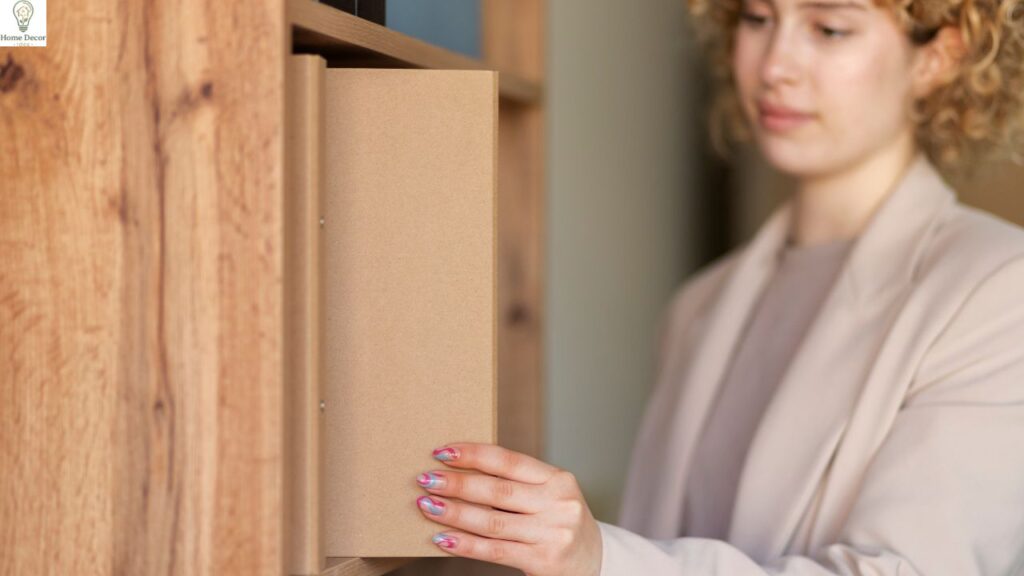
Whether you’re refreshing a dated kitchen, upgrading a bathroom vanity, or giving storage cabinets a modern look, contact paper for cabinets in home offers an affordable way to achieve impressive results. With countless colors, textures, and finishes available, homeowners can create custom looks without specialized tools or professional installation.
Many people assume cabinet makeovers require replacing doors or hiring contractors. In reality, a simple peel-and-stick solution can dramatically improve the appearance of cabinetry while saving time and money.
This guide explores everything you need to know, from choosing the right materials to installation techniques, maintenance tips, and inspiring design ideas.
Understanding Contact Paper and How It Works
Contact paper is a self-adhesive decorative material designed to cover surfaces and improve their appearance. It typically features a printed top layer and an adhesive backing protected by a removable liner.
Unlike traditional wallpaper or paint, contact paper requires no drying time and can often be removed without causing damage.
What Makes Contact Paper Popular?
Homeowners are increasingly choosing contact paper for cabinets in home because it offers several advantages:
- Affordable cabinet transformation
- Wide variety of designs
- Easy installation
- Minimal tools required
- Rental-friendly updates
- Quick project completion
For many households, it provides an ideal balance between appearance and practicality.
Common Types of Cabinet Contact Paper
Different styles suit different design preferences.
Popular options include:
- Wood grain contact paper
- Marble contact paper
- Matte finish contact paper
- Glossy cabinet film
- Textured vinyl wraps
- Modern concrete-look finishes
Each option creates a unique visual effect while protecting cabinet surfaces.
[IMAGE: Modern kitchen cabinets covered with contact paper]
Benefits of Using Contact Paper for Cabinets in Home
One reason contact paper for cabinets in home continues gaining popularity is its ability to deliver dramatic visual improvements at a fraction of renovation costs.
Budget-Friendly Cabinet Transformation
Replacing cabinets can cost thousands of dollars.
By comparison, contact paper allows homeowners to:
- Update appearance quickly
- Delay major renovations
- Experiment with design trends
- Refresh older cabinetry affordably
This makes it especially attractive for first-time homeowners and renters.
Easy DIY Installation
Unlike painting or cabinet refacing, contact paper requires limited experience.
Basic tools include:
- Utility knife
- Measuring tape
- Squeegee
- Cleaning cloth
- Straight edge ruler
Most projects can be completed over a weekend.
Wide Design Flexibility
Modern contact paper comes in countless patterns and finishes.
Popular aesthetic choices include:
- Farmhouse styles
- Scandinavian interiors
- Contemporary designs
- Industrial themes
- Luxury marble effects
This flexibility allows homeowners to personalize cabinetry according to their décor.
Best Areas to Use Contact Paper on Cabinets
Not all cabinets experience the same level of wear and moisture exposure.
Understanding ideal applications helps maximize durability.
Kitchen Cabinets
Kitchen cabinets remain the most common application.
Benefits include:
- Modernizing outdated finishes
- Creating cohesive color schemes
- Enhancing resale appeal
- Refreshing rental kitchens
Many homeowners use contact paper for cabinets in home specifically to avoid expensive kitchen remodels.
Bathroom Vanities
Bathroom cabinets can also benefit from peel-and-stick solutions.
Moisture-resistant options work particularly well when properly installed and maintained.
Laundry Room Storage
Laundry spaces often receive less design attention than kitchens and living areas.
Contact paper can transform:
- Utility cabinets
- Storage lockers
- Shelving units
- Cleaning supply storage
The result is a cleaner, more organized appearance.
[IMAGE: Bathroom vanity makeover using marble contact paper]
Choosing the Right Contact Paper
Selecting the right material significantly impacts the final appearance and longevity of the project.
Consider Surface Type
Before applying contact paper for cabinets in home, evaluate cabinet material.
Common surfaces include:
- Laminate
- Wood
- MDF
- Metal
- Thermofoil
Smooth surfaces generally produce the best results.
Choose the Right Finish
Different finishes create different visual effects.
Matte Finish
Benefits include:
- Modern appearance
- Reduced fingerprints
- Softer look
Gloss Finish
Advantages include:
- Reflective surfaces
- Bright appearance
- Luxury feel
Textured Finish
Popular for:
- Wood simulations
- Stone effects
- Realistic surface depth
Measure Carefully
Accurate measurements reduce waste and improve installation quality.
Measure:
- Height
- Width
- Door edges
- Drawer fronts
Always purchase slightly more material than calculations suggest.
Step-by-Step Installation Guide
Proper installation determines the overall success of the project.
Step 1: Clean the Surface
Remove:
- Dust
- Grease
- Residue
- Moisture
A clean surface promotes stronger adhesion.
Step 2: Remove Cabinet Hardware
Take off:
- Handles
- Knobs
- Hinges (if necessary)
This simplifies application and improves precision.
Step 3: Measure and Cut
Cut pieces slightly larger than each cabinet section.
Extra material allows adjustments during installation.
Step 4: Apply Gradually
Peel back a small section of liner at a time.
Use a smoothing tool to eliminate:
- Air bubbles
- Wrinkles
- Uneven areas
Step 5: Trim Excess Material
A sharp utility knife produces clean edges and professional-looking results.
Design Ideas Using Contact Paper for Cabinets in Home
Creative applications can dramatically enhance interior aesthetics.
Marble Cabinet Makeovers
Marble-inspired finishes provide luxury appeal without premium costs.
They pair beautifully with:
- Gold hardware
- White countertops
- Modern lighting
Wood Grain Transformations
Wood-look finishes add warmth and character.
Popular styles include:
- Oak
- Walnut
- Maple
- Rustic reclaimed wood
Matte Black Cabinet Designs
For modern interiors, matte black finishes create bold visual impact.
These designs work especially well with:
- Brass fixtures
- White walls
- Minimalist décor
[IMAGE: Infographic showing installation steps and design options]
Maintenance and Cleaning Tips
Proper care extends the lifespan of cabinet coverings.
Daily Cleaning
Use:
- Soft microfiber cloths
- Mild soap solutions
- Non-abrasive cleaners
Avoid harsh chemicals that may damage protective finishes.
Prevent Moisture Damage
Although many products are water-resistant, excessive moisture exposure can weaken adhesion over time.
Pay particular attention near:
- Sinks
- Dishwashers
- Coffee stations
Inspect Edges Regularly
Check for:
- Lifting corners
- Loose edges
- Minor peeling
Prompt repairs help prevent larger issues.
Common Mistakes to Avoid
Many installation problems result from avoidable errors.
Applying to Dirty Surfaces
Dust and grease significantly reduce adhesion quality.
Rushing Installation
Taking time to smooth the material prevents visible imperfections.
Ignoring Measurements
Incorrect measurements lead to waste and inconsistent appearance.
Choosing Low-Quality Materials
Premium products generally offer:
- Better durability
- Stronger adhesive
- Improved appearance
- Easier maintenance
Investing slightly more often produces better long-term results.
Cost Comparison: Contact Paper vs Cabinet Replacement
Many homeowners consider contact paper for cabinets in home because of the substantial savings involved.
Contact Paper Costs
Typical expenses include:
- Material
- Basic tools
- Cleaning supplies
Most projects remain highly affordable.
Cabinet Painting Costs
Painting often requires:
- Primer
- Paint
- Sanding materials
- Protective coatings
Labor and preparation can increase costs significantly.
Cabinet Replacement Costs
Replacement involves:
- New cabinetry
- Installation
- Demolition
- Disposal fees
Compared to replacement, contact paper delivers remarkable value.
FAQ
Is contact paper safe for kitchen cabinets?
Yes. High-quality cabinet contact paper is commonly used in kitchens and performs well when installed properly.
How long does contact paper last on cabinets?
Quality products can last several years depending on usage, maintenance, and environmental conditions.
Can contact paper damage cabinets?
Most modern peel-and-stick products are designed for removable application and typically do not damage properly finished surfaces.
Is contact paper waterproof?
Many products are water-resistant, but prolonged moisture exposure should still be avoided.
Can renters use contact paper on cabinets?
Yes. Many renters choose contact paper for cabinets in home because it provides a temporary and removable upgrade.
Does contact paper work on laminate cabinets?
Yes. Smooth laminate surfaces are among the best candidates for contact paper applications.
How do I remove contact paper?
Gently peel the material away from the surface. Heat from a hair dryer can help soften adhesive residue.
What is the best finish for modern kitchens?
Matte white, marble, wood grain, and matte black finishes remain among the most popular contemporary choices.
Final thoughts:
Refreshing cabinets doesn’t always require a costly renovation. With the right materials, careful preparation, and thoughtful design choices, contact paper for cabinets in home can completely transform the look of kitchens, bathrooms, laundry rooms, and storage spaces.
From elegant marble finishes to warm wood textures and sleek modern designs, the possibilities are nearly endless. Whether you’re a homeowner seeking a budget-friendly update or a renter looking for a temporary makeover, contact paper provides an accessible way to create a fresh, stylish, and personalized space without major construction or expense.