
Have you ever walked through your house and wished there was just a little more room? Whether your family is growing, your work situation has changed, or your lifestyle needs have evolved, a home addition can completely transform the way you live.
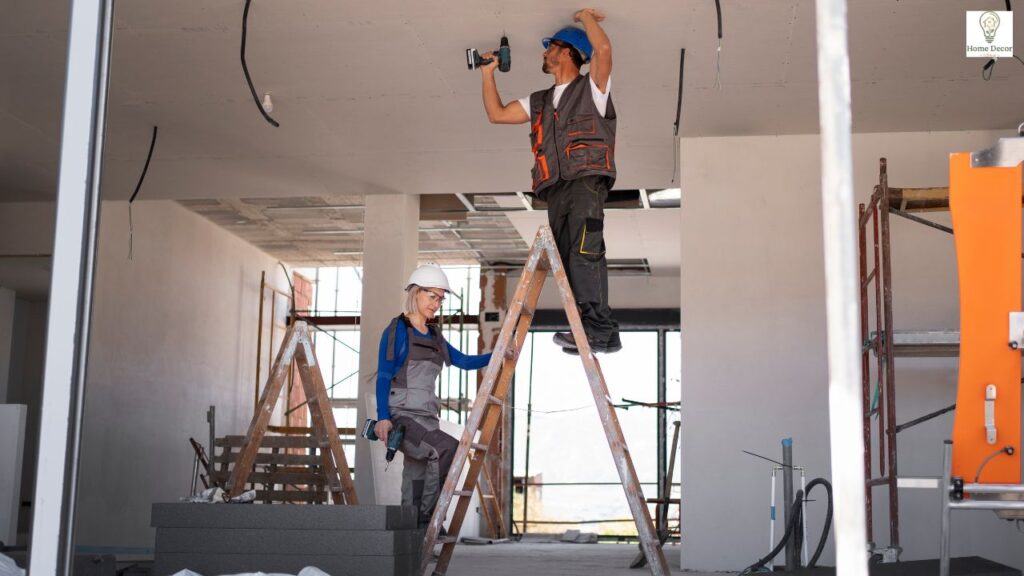
Instead of going through the stress of moving, many homeowners are choosing a home addition to create the space they need while staying in the neighborhood they love. From expanding kitchens to building extra bedrooms, adding square footage can improve comfort, functionality, and property value.
The beauty of a well-planned expansion is that it allows your home to evolve alongside your changing needs. Rather than compromising on space, you can customize your living environment to support your goals, hobbies, family life, and future plans.
This comprehensive guide explores everything you need to know about planning, designing, budgeting, and successfully completing a home expansion project.
Understanding Home Addition Projects
What Is a Home Addition?
A home addition is a construction project that increases the usable square footage of an existing house. Unlike simple renovations, additions create entirely new living spaces by expanding the structure itself.
Common examples include:
- Extra bedrooms
- Family rooms
- Home offices
- Sunrooms
- Second-story additions
- Expanded kitchens
- Guest suites
These projects can range from relatively simple room extensions to complex structural expansions that significantly alter a home’s layout.
Why Homeowners Choose an Addition
Families often outgrow their current homes. However, relocating may not always be practical or desirable.
Many homeowners prefer expanding because it offers:
- More living space
- Increased home value
- Better functionality
- Customized layouts
- Long-term flexibility
- Improved comfort
A carefully designed addition can solve space challenges while preserving the character and memories associated with your current home.
Types of Home Additions
Room Addition
A room addition is one of the most common expansion projects.
Popular room additions include:
- Bedrooms
- Playrooms
- Hobby rooms
- Home gyms
- Libraries
These additions typically connect seamlessly with the existing structure while providing dedicated space for specific needs.
Kitchen Expansion
The kitchen is often considered the heart of the home.
A kitchen-focused home addition can provide:
- Larger cooking areas
- More storage
- Bigger islands
- Enhanced dining space
- Improved traffic flow
Modern homeowners increasingly prioritize open-concept layouts that connect kitchens with living and dining areas.
Family Room Extension
Growing families frequently require larger gathering spaces.
Benefits include:
- More seating capacity
- Better entertainment options
- Enhanced comfort
- Improved functionality
Family room additions often become the most frequently used areas of a home.
Second-Story Additions
When lot space is limited, building upward may be the best solution.
A second-story addition can add:
- Multiple bedrooms
- Bathrooms
- Office spaces
- Guest accommodations
Although more complex than ground-level projects, vertical expansion can dramatically increase usable living space.
![Image: Construction team working on a second-story home addition]
Benefits of a Home Addition
Increased Living Space
The most obvious advantage is additional room for everyday activities.
Extra space can help:
- Reduce overcrowding
- Improve organization
- Support remote work
- Accommodate guests
- Enhance privacy
A larger home often leads to a more comfortable lifestyle.
Higher Property Value
A professionally executed home addition can significantly increase market appeal.
Features that often add value include:
- Additional bedrooms
- Expanded kitchens
- Extra bathrooms
- Dedicated office spaces
- Multi-functional rooms
Buyers generally appreciate homes with flexible layouts and modern conveniences.
Improved Lifestyle
The right expansion can improve daily living in countless ways.
Examples include:
- Dedicated workspaces
- Entertainment rooms
- Fitness areas
- Guest accommodations
- Creative studios
The ability to customize your environment is one of the strongest reasons homeowners pursue expansion projects.
Planning Your Project
Assessing Your Needs
Before beginning any construction work, identify your goals.
Ask yourself:
- Why do I need more space?
- Which areas feel overcrowded?
- What future needs should I consider?
- How will my family use the new space?
Clear objectives help guide design decisions and budgeting.
Establishing a Realistic Budget
Budget planning is critical to project success.
Your budget should account for:
- Design services
- Permits
- Construction materials
- Labor costs
- Utility upgrades
- Landscaping adjustments
- Contingency funds
Unexpected expenses can occur, so maintaining a financial cushion is wise.
Understanding Local Regulations
Most expansion projects require approvals.
Typical requirements may include:
- Building permits
- Zoning compliance
- Property setback regulations
- Structural reviews
- Safety inspections
Working with experienced professionals helps ensure compliance throughout the process.
Designing a Functional Addition
Matching Existing Architecture
A successful home addition should feel like a natural extension of the original structure.
Key design considerations include:
- Rooflines
- Exterior materials
- Window styles
- Architectural details
- Interior finishes
Consistency creates visual harmony and enhances curb appeal.
Prioritizing Natural Light
Natural light makes spaces feel larger and more welcoming.
Ways to maximize daylight include:
- Large windows
- Skylights
- Glass doors
- Open floor plans
Bright spaces often contribute to higher satisfaction and improved well-being.
Creating Flexible Spaces
Modern homeowners increasingly value adaptability.
Flexible rooms can serve multiple purposes, such as:
- Office and guest room combinations
- Playroom and study areas
- Exercise and recreation spaces
Versatility ensures long-term usefulness.
![Infographic: Home Addition Planning Process from Design to Completion]
Common Challenges and Solutions
Budget Overruns
Unexpected costs can affect nearly any construction project.
Reduce risks by:
- Obtaining detailed estimates
- Comparing contractors
- Maintaining contingency funds
- Finalizing plans early
Proper preparation helps avoid financial surprises.
Construction Disruptions
Living through construction can be challenging.
Strategies for minimizing inconvenience include:
- Establishing temporary living zones
- Creating clear contractor schedules
- Protecting existing furnishings
- Maintaining open communication
Planning ahead makes the process more manageable.
Design Mistakes
Poor planning can create long-term issues.
Avoid mistakes by:
- Prioritizing functionality
- Considering future needs
- Consulting professionals
- Reviewing plans carefully
Thoughtful design decisions produce better outcomes.
Choosing the Right Contractor
What to Look For
Selecting qualified professionals is one of the most important decisions you’ll make.
Look for contractors who have:
- Relevant experience
- Proper licensing
- Insurance coverage
- Strong references
- Clear communication skills
A reputable contractor helps ensure quality workmanship and smoother project management.
Questions to Ask Before Hiring
Important questions include:
- How many similar projects have you completed?
- Can you provide references?
- What is the estimated timeline?
- How do you handle unexpected issues?
- What warranties do you offer?
Detailed discussions help establish expectations from the beginning.
Cost Factors That Affect a Home Addition
Size and Scope
Larger projects naturally require more materials and labor.
Factors affecting costs include:
- Square footage
- Structural complexity
- Foundation work
- Roofing requirements
Project scale plays a major role in budgeting.
Material Selection
Material choices can significantly impact expenses.
Examples include:
- Flooring options
- Cabinet quality
- Window types
- Exterior finishes
Balancing quality and budget is essential.
Labor and Expertise
Skilled labor contributes substantially to total costs.
Professionals involved may include:
- Architects
- Engineers
- Electricians
- Plumbers
- Carpenters
Hiring experienced specialists often delivers better long-term value.
Future Trends in Home Expansion
Multi-Generational Living
Many families are creating spaces for extended family members.
Popular solutions include:
- In-law suites
- Private entrances
- Independent living areas
These layouts support flexibility and family connections.
Home Office Growth
Remote work continues influencing residential design.
Dedicated office additions offer:
- Productivity
- Privacy
- Professional environments
Many homeowners now view office space as a necessity rather than a luxury.
Sustainable Design
Environmentally conscious construction is becoming increasingly important.
Common sustainable features include:
- Energy-efficient windows
- Improved insulation
- Smart home technology
- Renewable energy integration
These improvements may reduce long-term operating costs.
FAQ
What is a home addition?
A home addition is a construction project that expands the size of an existing house by creating new living space.
Is a home addition cheaper than moving?
In many cases, yes. However, costs depend on project size, local real estate markets, and construction requirements.
How long does a typical addition project take?
Smaller projects may take several weeks, while larger additions can require several months.
Does an addition increase property value?
A well-designed and professionally built addition often increases resale value and market appeal.
What permits are usually required?
Requirements vary by location but commonly include building permits, inspections, and zoning approvals.
Can I live in my home during construction?
Many homeowners do, although temporary disruptions should be expected.
What type of addition adds the most value?
Additional bedrooms, bathrooms, kitchen expansions, and flexible living spaces often provide strong returns.
Should I hire an architect?
For larger or complex projects, professional design expertise can improve functionality, aesthetics, and compliance.
Final thoughts:
A thoughtfully planned home addition can be one of the most rewarding investments a homeowner makes. Beyond adding square footage, it creates opportunities for improved comfort, greater functionality, and enhanced quality of life. Whether you’re expanding for a growing family, creating a dedicated workspace, or increasing property value, careful planning and expert execution are essential.
By understanding your needs, establishing a realistic budget, and working with experienced professionals, you can create a space that blends seamlessly with your existing home while supporting your lifestyle for years to come. The right expansion doesn’t simply add rooms—it transforms the way you experience your home every day.