
Let’s be honest for a second.
You’re outside enjoying your day… maybe in your yard, maybe at a picnic… and suddenly you hear that sharp buzz. Your heart skips a beat. You look up and see a flying insect circling nearby.
And the first thought that hits you?
“Is that a hornet… or a wasp?”
That exact moment is why so many people search for hornet vs wasp. It’s not just curiosity—it’s instinct. You want to know if you’re safe.
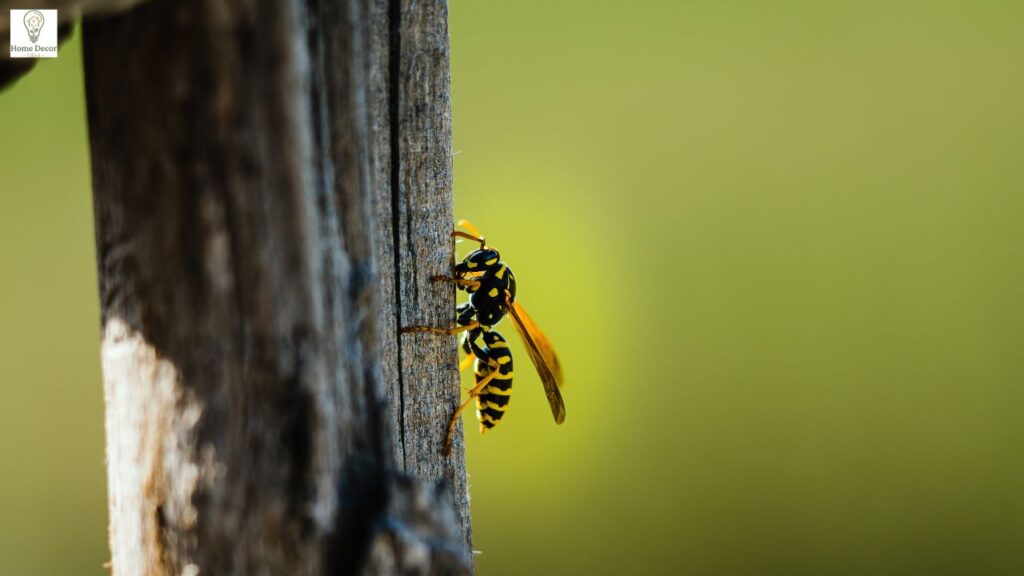
Now here’s the surprising part…
Most people can’t tell the difference between the two.
In fact, many people use the words interchangeably. They’ll see a wasp and call it a hornet. Or see a hornet and panic, thinking it’s something far worse.
That confusion is exactly what this guide will fix.
Why This Topic Matters More Than You Think
At first glance, comparing hornet vs wasp might sound like a small thing. But it actually matters a lot in real life.
Here’s why:
- Safety – Some are more aggressive than others
- Identification – Knowing what you’re looking at helps you react correctly
- Prevention – Different insects behave differently
- Peace of mind – You won’t panic every time something buzzes near you
Think about it like this…
If you mistake a harmless situation for a dangerous one, you panic for no reason. But if you ignore a real threat, that can lead to a painful sting—or worse.
That’s why understanding hornet vs wasp is not just interesting—it’s useful.
The Simple Answer (Quick and Clear)
Before we go deeper, here’s the quick version:
- Hornets are actually a type of wasp, but they are usually larger, thicker, and less aggressive unless provoked
- Wasps are slimmer, more common, and often more aggressive around food and people
So yes, when comparing hornet vs wasp, you’re not looking at two completely separate insects—you’re looking at close relatives with different personalities.
But don’t worry—we’re going to break this down in a way that’s super easy to understand.
Why People Get Confused
Let’s clear something up right away.
Most people don’t struggle with hornet vs wasp because they’re careless—they struggle because these insects actually look pretty similar.
Here’s what makes it tricky:
- Both have yellow and black coloring
- Both can fly quickly and unpredictably
- Both can sting (and yes, it hurts)
- Both build nests
So when one flies past your face, you don’t exactly have time to study it like a scientist.
You react.
And usually, that reaction is: “Run.”
The Real Question Behind the Search
When someone types hornet vs wasp into Google, they’re not just asking for definitions.
They’re really asking:
- “Which one is more dangerous?”
- “Will it sting me?”
- “Should I stay away?”
- “What do I do right now?”
That’s why this article is written for real-life situations, not just textbook knowledge.
You’re going to learn:
- How to tell them apart quickly
- What their behavior means
- When you should worry (and when you shouldn’t)
A Quick Reality Check (Don’t Panic)
Here’s something most articles don’t tell you clearly enough:
👉 Not every hornet or wasp is out to sting you
Yes, both can sting. But they don’t go around attacking people for no reason.
In most cases:
- They sting when they feel threatened
- Or when you get too close to their nest
So when thinking about hornet vs wasp, the better question isn’t just “which is worse?”
It’s:
👉 “How do they behave around people?”
And that’s exactly what we’ll explore step by step.
Let’s Make This Super Easy
Instead of throwing complicated science at you, we’re going to keep things simple.
Imagine this:
- A hornet is like a big, serious guard
- A wasp is like a fast, easily annoyed neighbor
That’s not a scientific definition—but it’s a helpful way to remember the difference.
And when you understand hornet vs wasp in simple terms, it becomes much easier to stay calm and make smart decisions.
What You’ll Learn in This Guide
By the time you finish this article, you’ll be able to:
✔ Tell the difference between hornet vs wasp just by looking
✔ Understand their behavior in real situations
✔ Know which one is more dangerous (and when)
✔ Feel more confident when you see one nearby
No complicated terms. No confusing explanations.
Just clear, practical knowledge.
A Quick Heads-Up (Important)
Before we move forward, remember this:
Not all hornets and wasps are exactly the same.
There are different types, and their behavior can vary slightly depending on:
- Location
- Season
- Environment
But don’t worry—we’ll focus on what matters most for everyday situations.
Because when people search hornet vs wasp, they’re not trying to become insect experts.
They just want clear answers.
The Biggest Mistake People Make
Here’s a common mistake:
👉 People assume bigger = more dangerous
So they see a large insect and immediately panic.
But when it comes to hornet vs wasp, size alone doesn’t tell the whole story.
Sometimes:
- The smaller one is more aggressive
- The bigger one is more defensive
That’s why understanding behavior is just as important as appearance.
Let’s Talk About Fear (Yes, It’s Normal)
If you feel nervous around these insects, you’re not alone.
That fear usually comes from:
- Past experiences (getting stung)
- Stories from others
- Not knowing what to expect
And that’s exactly why learning about hornet vs wasp helps.
Because when you understand something, it becomes less scary.
What Makes This Guide Different
Most articles:
- Use complicated language
- Focus too much on science
- Don’t answer real-life questions
This one is different.
We’re focusing on:
- What you actually see
- What actually happens
- What you should actually do
So instead of memorizing facts, you’ll gain real confidence.
Let’s Set the Goal
By the end of this guide, you won’t just know the difference between hornet vs wasp…
You’ll be able to:
👉 Spot them
👉 Understand them
👉 React the right way
And most importantly…
👉 Stay calm
Final Thought
Next time you hear that buzzing sound, instead of panicking, you’ll think:
“Okay… is this a hornet or a wasp?”
And that small shift makes a huge difference.
Because knowledge replaces fear.
And that’s exactly what this guide is here to give you.