
Let’s start from the very beginning, in the simplest way possible.
Imagine your garden is like a big kitchen. Every plant is a guest with its own favorite food and drink. Some plants love sweet soil, some like neutral soil, and then there are special ones that enjoy a more “tangy” or slightly sour type of soil. These special guests are called acid loving plant.
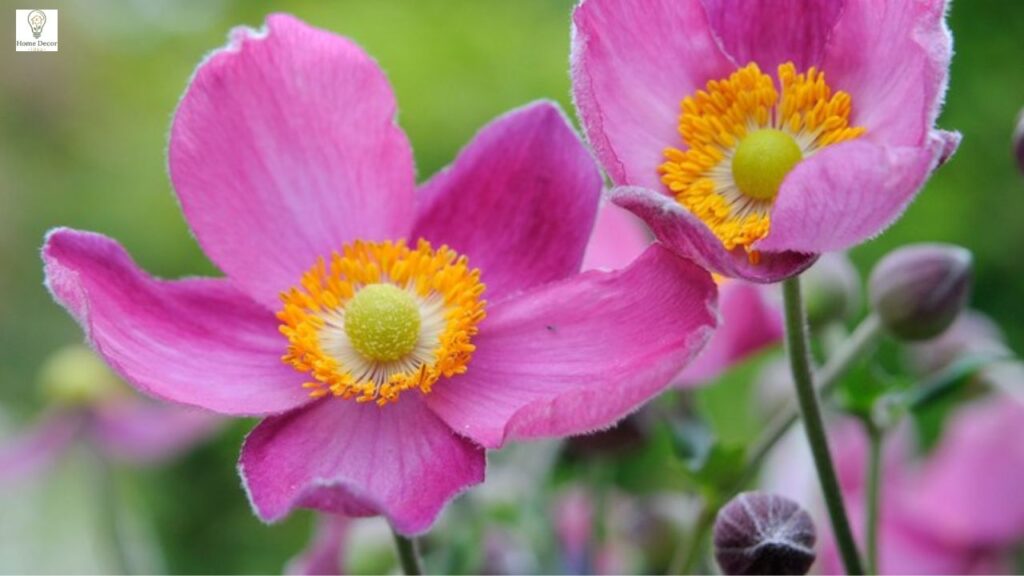
Now don’t worry about the word “acid.” It sounds a bit scary, but in gardening, it’s completely normal and safe. It just describes how the soil behaves.
🌱 So, what does “acid loving” actually mean?
To understand acid loving plants, we first need to talk about something called soil pH.
Soil pH is just a simple number that tells us how “sweet” or “sour” the soil is:
- 7 is neutral (like pure water)
- Below 7 is acidic (slightly sour)
- Above 7 is alkaline (more like chalky or bitter soil)
So when we say acid loving plants, we mean plants that grow best in soil with a pH below 7.
Think of it like food preferences:
- Some kids love spicy food
- Some prefer sweet food
- And some plants prefer acidic soil
That’s it. Nothing complicated.
🌿 Why do some plants prefer acidic soil?
This is where things get interesting—but we’ll keep it simple.
Plants are like tiny living machines. They need nutrients from the soil to grow strong and healthy. But here’s the twist: the soil’s pH affects how easily plants can “eat” those nutrients.
Now here’s the important part:
- In acidic soil, some nutrients become easier for certain plants to absorb
- These plants are naturally adapted to enjoy that environment
That’s why acid loving plants grow so well in forest-like areas, where fallen leaves slowly make the soil more acidic over time.
Nature already figured this out long ago.
🌳 Where do acid loving plants usually grow in nature?
If you walk through a dense forest, you’ll notice something special:
- Soft, crumbly soil
- Lots of fallen leaves
- A slightly earthy, fresh smell
This is exactly where many acid loving plants thrive.
In nature, this happens because:
- Leaves fall and decay
- Rainwater slowly washes minerals away
- The soil becomes more acidic over time
So plants like blueberries, azaleas, and rhododendrons naturally evolved in these conditions.
🌸 Simple examples of acid loving plants
Let’s make this real and easy. Here are some popular acid loving plants you may already know:
- Blueberries (yes, the sweet fruit you eat)
- Azaleas (beautiful flowering bushes)
- Camellias (elegant garden flowers)
- Rhododendrons (large colorful blooms)
- Hydrangeas (flowers that can even change color!)
These plants don’t just survive in acidic soil—they actually prefer it.
That’s why gardeners love learning about acid loving plants, because once you know their secret, you can grow much healthier and more beautiful gardens.
🧠 A simple way to remember acid loving plants
Here’s a trick:
👉 If a plant naturally grows in forests, shady areas, or moist environments, there’s a high chance it is one of the acid loving plants.
That’s an easy memory shortcut even a beginner can use.
🌼 Why gardeners care so much about acid loving plants
You might be wondering: “Why does this even matter?”
Great question.
Gardeners care about acid loving plants because:
- They grow poorly in the wrong soil
- They bloom less if pH is incorrect
- Their leaves can turn yellow if conditions are bad
So if you understand them properly, you can:
✔ Grow stronger plants
✔ Get more flowers
✔ Harvest better fruits
✔ Avoid common gardening mistakes
And honestly, it feels amazing when your garden starts thriving because you finally “understand” your plants.
🌿 A closer look at how soil affects them
Let’s break it down like a story.
Imagine two gardens:
- Garden A has acidic soil
- Garden B has alkaline soil
Now plant acid loving plants in both.
What happens?
- In Garden A → plants grow happy, green, and full of life
- In Garden B → plants struggle, look weak, and grow slowly
This is why soil pH is so important.
Even if you water your plants perfectly and give them sunlight, wrong soil can still make them unhappy.
That’s how sensitive acid loving plants are to their environment.
🌱 Are acid loving plants difficult to grow?
Not at all.
This is one of the biggest myths.
People think acid loving plants are “fussy” or “hard to care for,” but the truth is:
- They are easy if you give them the right soil
- They actually grow very naturally in the right conditions
- Many are low maintenance once established
It’s not about difficulty—it’s about understanding.
Once you understand acid loving plants, gardening becomes much more enjoyable and less stressful.
🌼 Why beginners should care about acid loving plants
If you are just starting your gardening journey, learning about acid loving plant is like unlocking a secret level in a game.
Here’s why:
- You avoid wasting money on dying plants
- You choose plants that actually match your soil
- You get faster success in your garden
- You build confidence as a gardener
And nothing feels better than seeing your first healthy blooms.
🌿 A friendly reminder from nature
Nature doesn’t rush. Plants don’t compete like humans. They just grow where they feel comfortable.
And acid loving plants are a perfect example of this harmony.
They don’t need fancy care or complicated tricks—they just need the right environment.
Give them that, and they reward you with:
- Bright flowers
- Sweet fruits
- Lush green leaves
- And a garden that feels alive
🌸 Final thoughts
Now you should have a clear idea of what acid loving plants really are.
They are not mysterious. They are not difficult. They are simply plants that love a slightly sour, natural soil environment—just like they would find in forests and woodland areas.
And the best part?
Once you understand acid loving plants, you unlock the ability to grow some of the most beautiful and rewarding plants in the gardening world.