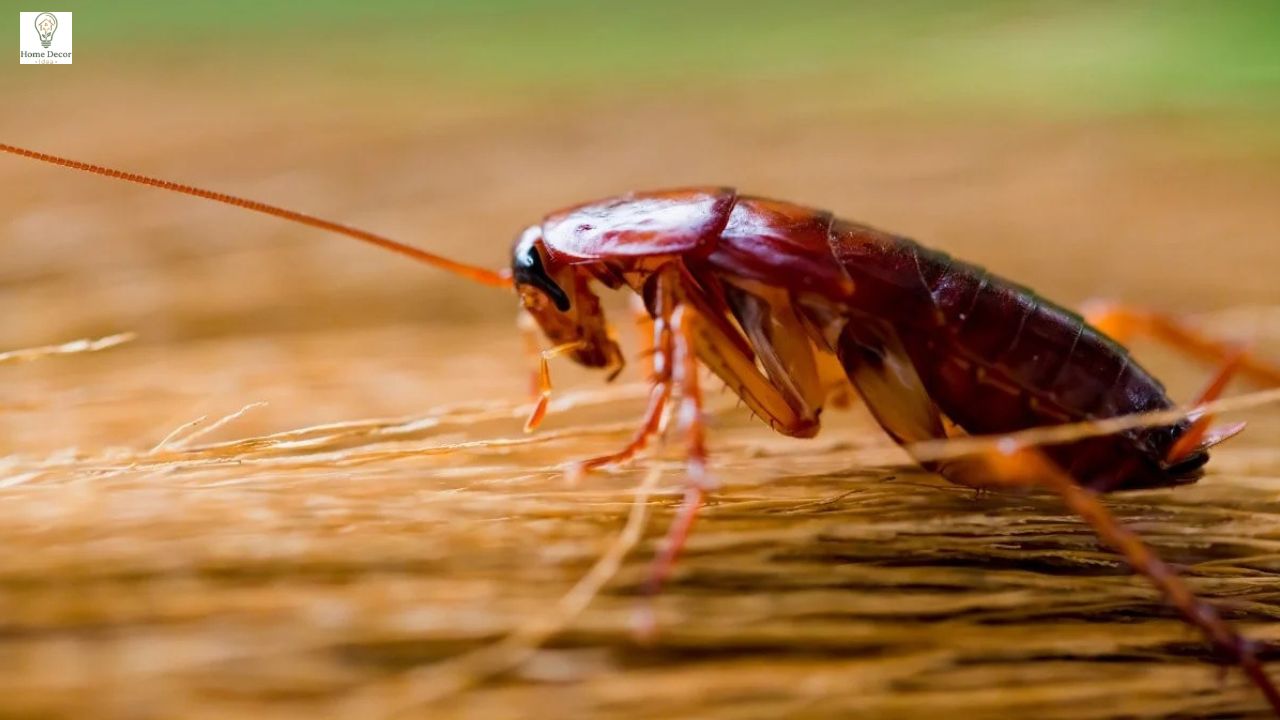
When you first notice bugs that look like cockroaches in your home, your brain usually does something dramatic. It panics. It zooms in. It thinks, “Oh no… is that a cockroach?”
And honestly, you are not alone in that reaction. Thousands of people every day search for bugs that look like cockroaches because they’ve spotted something small, fast, and a little scary crawling across the floor or hiding near the kitchen sink.
But here’s the surprising truth: most of the time, what you are seeing is NOT a cockroach. In fact, nature is full of bugs that look like cockroaches that only pretend to be roaches in appearance, even though they are completely different creatures.
And even more interesting? These look-alikes exist for a reason. They are not trying to confuse you on purpose—but evolution, survival, and environment have shaped them in ways that make them resemble cockroaches very closely.
So let’s break this down in a simple, clear, and slightly fun way so even a 10-year-old could understand exactly why bugs that look like cockroaches exist everywhere around us.
Why Your Brain Gets Confused So Easily
Before we dive into biology, let’s talk about something important: your brain is wired for quick decisions.
When you see something fast-moving and dark in the corner of your eye, your brain doesn’t pause to analyze it. It quickly categorizes it as “danger” or “not danger.”
That’s why bugs that look like cockroaches often trigger instant fear. The human brain associates cockroaches with:
- Dirt
- Food contamination
- Bad hygiene
- And general discomfort
So even harmless insects get unfairly labeled as cockroaches just because they look similar at a glance.
Now let’s understand why nature creates so many bugs that look like cockroaches in the first place.
Evolution: Nature’s Long Game of Survival
One of the biggest reasons we see so many bugs that look like cockroaches is evolution.
Evolution is basically nature’s slow process of “upgrading” animals over thousands or millions of years so they survive better in their environment.
Cockroaches are one of the oldest surviving insect groups on Earth. They have been around for over 300 million years. That means many insects evolved in environments where cockroach-like shapes were already common.
So what happens over time?
Other insects slowly start developing similar traits because those traits help them survive.
This is why we now see so many bugs that look like cockroaches today.
For example:
- Flat body shapes help insects hide in small spaces
- Dark colors help them blend into soil or night environments
- Fast movement helps them escape predators
These features are not unique to cockroaches. Many insects independently evolved them.
That’s why bugs that look like cockroaches appear in completely different insect families—but still look strangely similar.
Body Shape: The “Survival Design” That Repeats
Let’s talk about body shape.
Cockroaches have a very specific design:
- Flat bodies
- Oval shape
- Hard outer shell
This design is not random. It helps them:
- Hide in cracks
- Survive pressure
- Move quickly through tight spaces
But here’s the twist: this “design” is so effective that other insects evolved similar shapes too.
That’s why you often find bugs that look like cockroaches in kitchens, bathrooms, gardens, and basements.
Some beetles, for example, have hard shells and oval bodies that look almost identical to cockroaches at first glance. Crickets also share some similar movement patterns, making them part of the group of bugs that look like cockroaches people confuse daily.
Even though they are completely different species, they “borrow” the same survival shape from nature.
So when you see bugs that look like cockroaches crawling across your floor, you are often just seeing nature repeating a successful design.
Color Camouflage: The Art of Blending In
Now let’s talk about color.
Most cockroaches are:
- Brown
- Dark brown
- Blackish brown
Why? Because those colors help them hide in:
- Dirt
- Wood
- Shadows
- Dark corners of homes
But guess what? Many other insects share these same colors.
That’s why so many bugs that look like cockroaches appear dark and dull-colored.
This isn’t coincidence—it’s camouflage.
Dark colors help insects:
- Avoid predators
- Stay hidden during the day
- Move safely at night
So when you see a small dark insect running across your wall, your brain immediately labels it as one of the bugs that look like cockroaches even if it’s actually a beetle or cricket.
Color alone is one of the biggest reasons misidentification happens.
And honestly, it makes sense. If everything in your house is dimly lit at night, almost any small dark insect becomes one of the bugs that look like cockroaches in your eyes.
Movement: Why Fast Crawlers Look Alike
Let’s move on to behavior.
Cockroaches are known for one thing: speed.
They don’t walk slowly. They:
- Dash
- Hide quickly
- Freeze suddenly
- Run in unpredictable directions
This kind of movement is actually a survival strategy.
But here’s the interesting part: many other insects behave the same way.
Crickets, beetles, and even some harmless outdoor insects move in quick bursts to escape danger.
That’s why so many bugs that look like cockroaches are not actually roaches—they just move like them.
To your eyes, fast movement + dark color + small size = “cockroach.”
So even a harmless insect becomes one of the bugs that look like cockroaches in your mind within seconds.
It’s not your fault—it’s just how human perception works.
Indoor vs Outdoor Adaptation: Why Homes Attract Confusion
Now let’s talk about where you see these insects.
Most people notice bugs that look like cockroaches inside their homes:
- Kitchens
- Bathrooms
- Basements
- Near drains or sinks
But here’s something important: not all insects you see indoors actually live indoors.
Many insects accidentally enter homes from outside. When they do, they suddenly become part of the group of bugs that look like cockroaches simply because:
- The environment is dark
- The space is unfamiliar
- And they move quickly to escape
Outdoor insects like beetles often wander inside through:
- Open windows
- Doors
- Cracks in walls
Once inside, they look very similar to cockroaches because they behave in a stressed and fast manner.
So a harmless outdoor insect can instantly become one of the bugs that look like cockroaches in your kitchen without actually being a roach at all.
Why Humans Over-Label Bugs as Cockroaches
Let’s be honest: nobody wants cockroaches in their home.
So the moment people see anything even slightly similar, they quickly assume it belongs to the group of bugs that look like cockroaches.
This is called “mental shortcut thinking.”
Your brain simplifies things like this:
- Small + fast + dark = cockroach
But nature is more complex than that.
There are dozens of insects that fall into the category of bugs that look like cockroaches but are completely harmless.
This misunderstanding is actually very common in households worldwide.
Expert Insight: What Science Says
Entomologists (insect scientists) explain this confusion in a simple way:
Many insects share “convergent traits.”
That means unrelated species evolve similar features because they live in similar environments.
So even though a beetle and a cockroach are not related, they can still look similar enough to be classified as bugs that look like cockroaches by everyday people.
This is not a mistake in nature—it’s just evolution solving the same survival problems in different ways.
Final Thoughts
So why do bugs that look like cockroaches exist everywhere?
Because:
- Evolution favors similar survival designs
- Body shapes repeat across species
- Colors help insects blend into dark environments
- Fast movement creates visual confusion
- Indoor environments increase misidentification
In simple words: nature didn’t design insects to confuse us—but it also didn’t design them to be easily identifiable at a glance.
And that’s exactly why so many bugs that look like cockroaches continue to surprise people every single day.