Hey there, plant lover! If you’ve ever wandered down the succulent aisle at your local nursery or scrolled through Pinterest looking for the perfect trailing plant, there’s a good chance you’ve come across the charming little string of bananas. And honestly, once you see it, it’s hard to forget. That cascading, banana-shaped leaf pattern isn’t just cute—it’s downright addictive. Let’s take a closer look at what makes the string of bananas such a superstar in the world of succulents and why it deserves a place in your indoor garden.
What Exactly is a String of Bananas?
Alright, let’s break this down. The string of bananas is officially known as Curio radicans or Senecio radicans. It’s a succulent, which means it’s a plant that stores water in its leaves, making it a low-maintenance superstar. Imagine a plant that’s happy to go a few days without a drink, yet still looks fresh, healthy, and green. That’s the magic of the string of bananas.
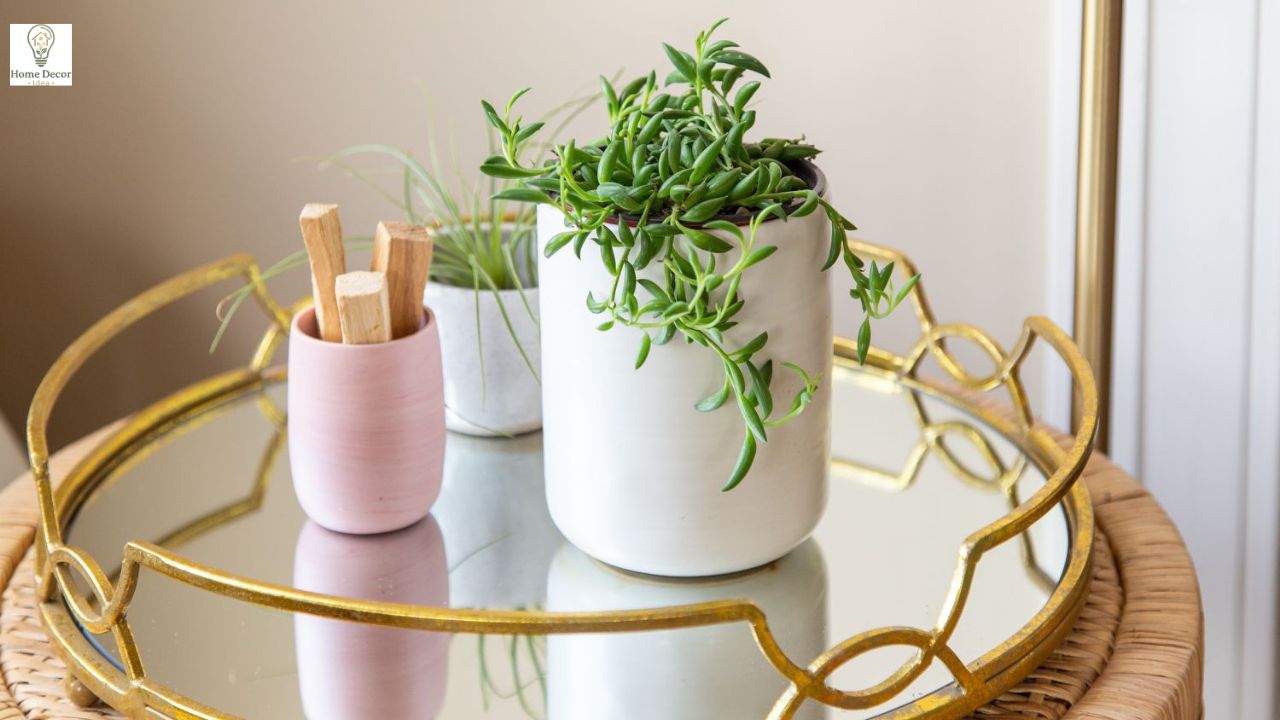
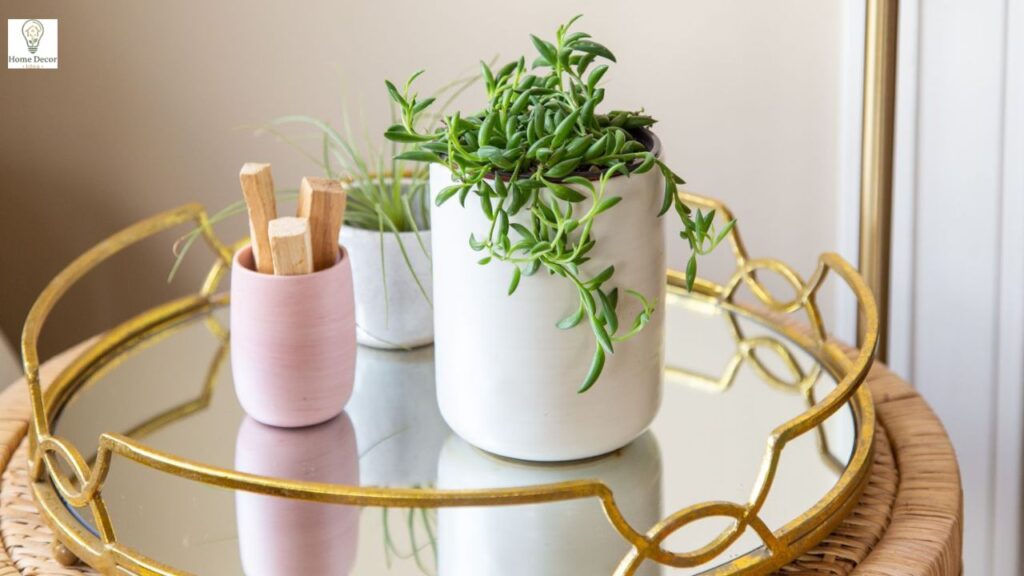
One of the most charming features of this plant is its trailing growth habit. The leaves are small, curved, and shaped like tiny bananas. Yep, that’s right—little bananas. Each leaf is plump, slightly rounded, and grows along delicate green stems that dangle beautifully when placed in a hanging pot. This makes the string of bananas perfect for shelves, hanging baskets, or anywhere you want a touch of greenery cascading down.
Not only is it visually appealing, but it’s also very drought-tolerant, meaning it doesn’t cry out for water every day like some other plants. This succulent is perfect for both beginners and seasoned plant parents because it’s resilient yet rewarding to care for.
Why People Love String of Bananas
Now, let’s talk about why this plant has captured the hearts of plant enthusiasts everywhere. First off, the string of bananas is a showstopper. Its trailing vines can grow up to 3 feet long when cared for properly. Imagine walking into a room and seeing lush, green strands spilling elegantly from a hanging basket—pure eye candy.
Secondly, it’s versatile. You can grow it in a pot, in a hanging planter, or even train it to climb a trellis. And because it’s a succulent, it’s low-maintenance but still incredibly satisfying to grow. Watching the string of bananas thrive and trail beautifully can bring a sense of calm and accomplishment—like you’re nurturing a tiny green companion.
Finally, this plant is adaptable. Whether you live in a sunny apartment or a slightly shadier room, the string of bananas can adjust. It’s hardy, forgiving, and perfect for people who might forget to water their plants once in a while.
Recognizing a Healthy String of Bananas
So how can you tell if a string of bananas is healthy? Well, it’s all in the leaves and the stems. Healthy plants have bright green leaves shaped like little bananas. Each leaf should be plump, firm, and free from brown spots or shriveling. The stems should be strong and flexible, not drooping in a sad, lifeless way.
Here’s a quick checklist for a healthy string of bananas:
- Leaf Shape: Small, curved like tiny bananas.
- Color: Bright green, sometimes with a slight bluish tint.
- Stems: Long, flexible, and trailing.
- Growth Rate: Expect steady growth, with new leaves popping up along the stems.
If you notice leaves that are turning yellow or falling off, don’t panic! The string of bananas is quite forgiving. Sometimes, a little adjustment in watering or sunlight is all it needs to bounce back.
String of Bananas vs. Similar Succulents
Here’s a fun fact: not all trailing succulents are created equal. The string of bananas is often confused with the string of pearls because both are trailing succulents, but here’s the difference:
- String of Pearls: Round, bead-like leaves. Looks like tiny green pearls strung together.
- String of Bananas: Curved, banana-shaped leaves. Trailing elegantly along stems.
While the string of bananas has a playful look, the string of pearls has a more delicate, whimsical vibe. Knowing the difference helps you choose the perfect succulent for your space.
How String of Bananas Grows
One of the coolest things about the string of bananas is watching it grow. It’s a trailing succulent, which means it loves to spill over the edges of pots or baskets. With proper care, you can expect it to grow up to 3 feet long. New leaves sprout along the stems continuously, giving it a full, cascading appearance.
It also grows fairly quickly for a succulent. Within a few months, your string of bananas can go from a small starter plant to a lush, trailing beauty that makes any space feel alive. This makes it incredibly satisfying for plant parents who want to see quick results without a ton of work.
Ideal Placement for Your String of Bananas
Where should you place your string of bananas? Light is key. While it’s adaptable, it thrives in bright, indirect sunlight. A sunny windowsill with filtered light is perfect. Too much direct sunlight can scorch the leaves, while too little light may cause the stems to stretch and the leaves to thin out.
Hanging baskets are ideal because they allow the vines to cascade naturally. You can also place it on a shelf and let the stems drape down the sides. No matter where you put it, just make sure it has room to trail and breathe.
Why String of Bananas is Perfect for Beginners
If you’re new to plant care, the string of bananas is a dream come true. Here’s why:
- Low Maintenance: It doesn’t need daily watering.
- Resilient: Can handle minor mistakes like a missed watering.
- Visually Rewarding: Quick growth and trailing vines make it fun to watch.
- Indoor Friendly: Adapts well to typical household conditions.
So even if you’ve killed other plants before, the string of bananas can make you feel like a gardening hero.
Fun Facts About String of Bananas
- It’s also called “fishhook senecio” because of the curved leaf shape.
- Despite its tropical look, it’s quite hardy and drought-tolerant.
- It can be easily propagated, which means you can share cuttings with friends or expand your own collection.
- It’s non-toxic to humans but keep pets away from it just in case—they might not appreciate the succulent taste!
Tips to Keep Your String of Bananas Thriving
- Water sparingly: Let the soil dry out completely before watering.
- Rotate your plant: Ensure all sides get enough light.
- Prune occasionally: Trim long stems to encourage bushier growth.
- Use well-draining soil: This prevents root rot, which is a succulent’s worst enemy.
- Fertilize occasionally: A gentle succulent fertilizer in spring and summer keeps it happy.
By following these tips, your string of bananas can grow lush, trailing vines that bring joy to any space.
Conclusion
By now, you should have a solid understanding of what the string of bananas is, how it looks, and why it’s such a favorite among plant lovers. It’s playful, low-maintenance, and adaptable—a perfect companion for beginners and seasoned green thumbs alike. With its trailing vines and banana-shaped leaves, the string of bananas brings a sense of whimsy and greenery into any home.
Next up, we’ll dive into the essential care tips that will make sure your string of bananas not only survives but thrives in your home.